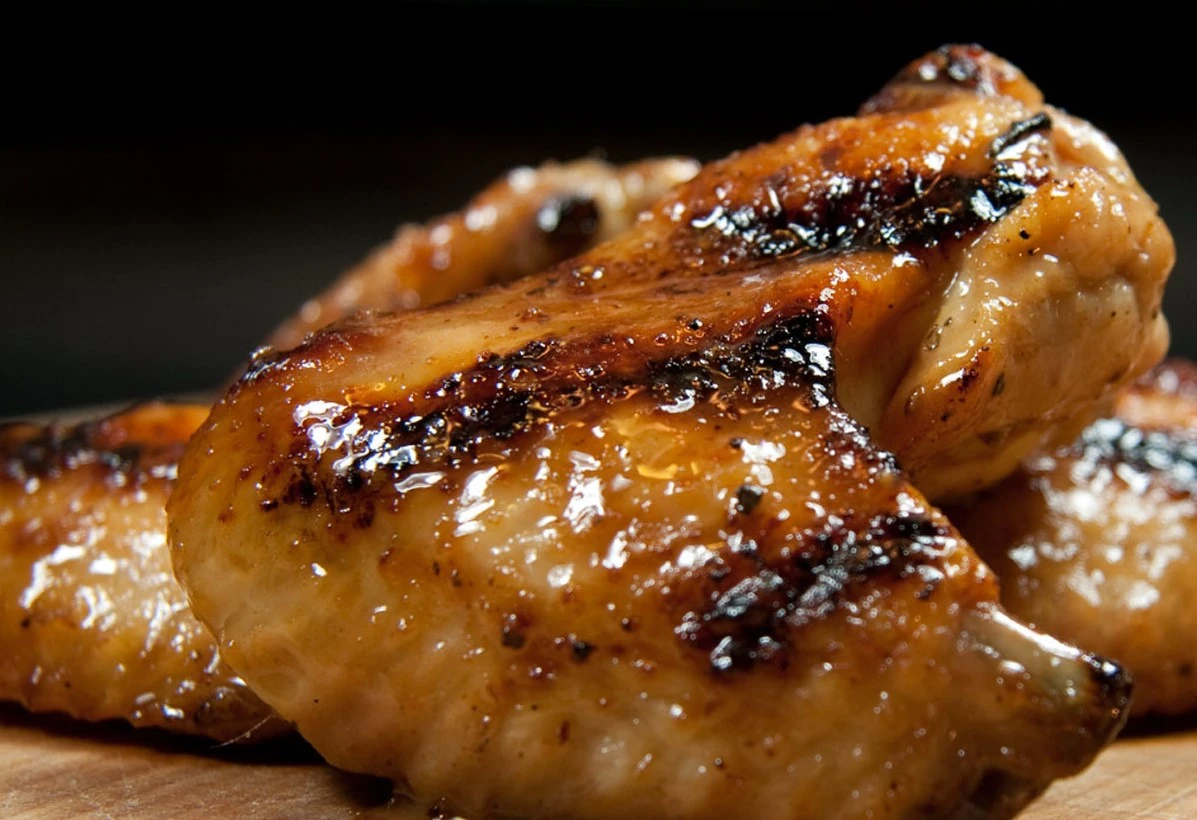
Chicken wings are among the most popular cuts of meat for grilling. Their natural juiciness and tender texture allow for a variety of seasonings and cooking methods. Prepared correctly, with just the right combination of spices, they create a crispy crust and soft interior that will delight everyone. In addition, they are quick to prepare, making them ideal for summer picnics or family gatherings. Their small size makes them easy to portion and serve, and they are easy to grill or bake in the oven, giving every housewife or chef a lot of freedom in preparation. They are also an excellent cut of meat for creating various delicious combinations – from classic seasoning with garlic and rosemary to more exotic variations with chili, honey, or Asian spices.
When to Season the Wings
Timing is one of the most important factors in preparing flavorful wings. It’s best to season or marinate them a few hours in advance, or even the evening before. Longer marination allows the spices to penetrate deeply into the meat, enhancing its flavor. This helps the wings retain their juiciness during cooking and develop a more intense aroma. If you want your wings to stand out in flavor and texture, marinating time is key. Longer marination also helps tenderize the meat, which is especially useful for cuts that are slightly drier.
Choosing Spices and Herbs
The quality of your spices directly affects the final taste. Popular combinations include Mediterranean flavors such as garlic, rosemary, oregano, thyme, and good olive oil. For those who like a spicy kick, cayenne pepper, chili powder, or even hot sauce can be added. Eastern flavors, like turmeric or lemongrass, can give wings an exotic twist. Properly chosen spices elevate the dish and highlight the meat’s natural sweetness and juiciness. When combining spices, balance sweet, smoky, spicy, and acidic flavors so that each layer develops and merges with the meat during cooking.
Basic Wing Marinade
A simple quick marinade includes minced garlic, fresh rosemary, oregano, and olive oil. Season the wings with salt and pepper, place them in a bag with the marinade, and toss several times to coat evenly. Marinate for at least one hour, though up to 24 hours allows the flavors to fully infuse the meat. This approach gives wings a pronounced aroma and contributes to tender meat after cooking. You can also enhance the marinade with lemon juice, honey, yogurt, or mayonnaise, which not only adds flavor but also improves texture and softness.
Preparing the Grill and Cooking
Before cooking, prepare your grill for direct heat at medium temperature, around 180°C (356°F). Brush the grill with oil to prevent sticking. Place the wings skin-side down to create a crispy crust and beautifully browned surface. Turn them three times during cooking, extending the time slightly if you want an extra-crispy finish. Turning ensures the crust doesn’t burn and distributes juices evenly, increasing juiciness.
Buffalo Wings – A Classic Favorite
American-style buffalo wings are a treat for lovers of bold flavors. The key to perfect buffalo wings is a special spice mix combined with chili sauce, butter, honey, and lemon juice. First, cook the wings, then generously coat them with the sauce so every wing is evenly covered. Serve with a cold dipping sauce made from gorgonzola, sour cream, and mayonnaise. This contrasts with the spicy sauce and creates the perfect flavor combination.
Dipping Sauce for Wings
To complement buffalo wings, prepare a simple sauce with gorgonzola, sour cream, mayonnaise, and lemon juice. Mix the ingredients well and store in the fridge until serving. This sauce softens the heat of the meat while adding a creamy texture. Guests who prefer milder flavors will especially appreciate this balance.
Resting Wings After Cooking
Resting the wings after cooking is just as important as seasoning and cooking. During this time, the juices redistribute throughout the meat, maintaining juiciness. Cutting immediately causes the juices to escape, leaving the meat dry. A short rest ensures every wing stays tender, juicy, and ready to serve.
Combining Spices, Sauce, and Toppings
To elevate your wings further, combine a well-chosen spice mix with sauce and additional toppings. Honey, lemon juice, chili, and butter create contrast and enhance the meat’s flavor. A sauce or fresh herbs at the end ensure each wing has a full, rich taste that impresses every guest. Toppings like fresh herbs, finely chopped garlic, or lightly smoked paprika add extra aromatic complexity and emphasize the crispy crust.
Serving and Sides
Wings pair wonderfully with a variety of sides. Fresh vegetables, fries, seasonal salads, or crispy buns complement the flavors and create a balanced meal. For spice lovers, extra chili sauce can be served, while a creamy dipping sauce balances the heat. Properly chosen sides allow the wings to remain the star of the table, ensuring they shine in every meal.
Common Mistakes in Preparation
Common mistakes include insufficient marination, incorrect cooking temperature, or unevenly seasoned wings. Another frequent error is skipping the resting period after cooking, leading to dry meat. By following the basics—proper marination, correct temperature, and resting—you can avoid most problems and achieve excellent results.
Perfect Wings Every Time
With the right spices, careful preparation, and controlled cooking, wings can reach perfect flavor and texture. Whether grilled or baked, it’s crucial that the spices penetrate the meat while the grill or oven creates a crispy crust. Once the basics are mastered, you can experiment with your own variations and combinations to impress every time. Trying different marinades, sauces, and toppings allows you to create a personal signature for each meal.
For those who want wings perfectly cooked and crispy every time, the Flamula electric barbecue is the ideal choice. It allows you to control the temperature precisely, ensuring even cooking and juicy wings every time. Perfect for balcony or terrace barbecues, or even indoor grilling—no smoke, no charcoal hassle, just perfect barbecue every time.