Grilled steak is the symbol of true grilling expertise, as it requires more than just a hot grill and a good piece of meat. It is a process where the choice of raw material, understanding of heat, patience, and precision all come together. Proper preparation ensures that the juices are retained in the meat, rich flavors develop, and the perfect texture is achieved. When all steps are executed thoughtfully, the result is not just a piece of meat on a plate but a complete culinary experience.
Why Preparation Matters More Than Grilling
Many people focus primarily on the time the steak spends on the grill, but the final result depends heavily on what happens beforehand. Preparation determines whether the meat will cook evenly, remain tender, and be full of flavor. Mistakes made at the beginning cannot be fully corrected later, regardless of skill in flipping. That’s why understanding the entire process is the foundation of success.
Choosing the Meat as the Basis of Quality
Every good steak starts with a high-quality cut of beef. The most prized cuts have evenly distributed fat, which ensures juiciness and rich flavor during grilling. The meat must be fresh, properly aged, and free of off-odors. It is also important to choose a cut that matches your skill level and preferences, as not all parts of the cow require the same treatment.
Thickness Influences the Whole Process
The thickness of the steak determines the cooking method and the required temperature control. Thinner cuts cook quickly and leave little room for adjustment, while thicker cuts allow for more precise control of doneness. For thicker cuts, a combination of different heat zones is often used, allowing the interior to cook evenly without burning the surface.
A key step is bringing the meat to room temperature before grilling. Meat taken directly from the fridge behaves unpredictably on a hot grill: the exterior sears quickly while the interior lags behind. Letting the steak rest outside the fridge before cooking allows the heat to distribute more evenly, improving the final result.
Preparing the Surface and Fat Edge
Before placing the steak on the grill, it’s wise to trim excess fat, but not completely. A thin fat edge enhances flavor and protects the meat from drying out. Small cuts in the fat prevent curling during cooking, ensuring even contact with the grill. The meat surface should be lightly oiled to improve heat transfer and reduce sticking.
Proper Seasoning Without Overdoing It
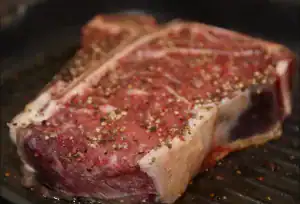
Seasoning should highlight the natural taste of the meat, not overpower it. For high-quality cuts, salt and freshly ground pepper are sufficient. Salt can be applied before grilling to help form a crust; additional seasoning after cooking rounds out the flavor. Marinades are better suited for firmer cuts, where they contribute to tenderness and aroma.
Preparing the Grill and Temperature Control
The grill must be preheated before the meat comes into contact with the grate. High heat allows the surface to sear quickly, locking in juices. The grate should be clean and lightly oiled. Once the steak is placed on the grill, leave it undisturbed. This initial contact is crucial for crust formation. Flipping too early causes tearing and loss of juices. When the proteins are sufficiently seared, the meat releases from the grate naturally, signaling it’s time to flip or adjust its position.
Timing and Flipping
Steaks are typically flipped only once or twice, depending on thickness. Frequent flipping prevents a proper crust from forming and prolongs cooking time. Exact timing depends on thickness, grill temperature, and desired doneness. It is important to monitor cooking with intuition, not just the clock.
Measuring Internal Temperature
The most reliable way to check doneness is with a meat thermometer. It allows precise determination of doneness, eliminating guesswork. Measurement should be taken at the thickest part of the steak, avoiding bones. This approach ensures consistent and reliable results.
Combining Direct and Indirect Heat
For thicker cuts, gradual cooking is recommended. The meat is first cooked at a lower temperature and then moved to the hottest part of the grill to finish. This method ensures an evenly cooked interior and a nicely seared exterior while reducing the risk of overcooking.
Resting the Meat After Cooking
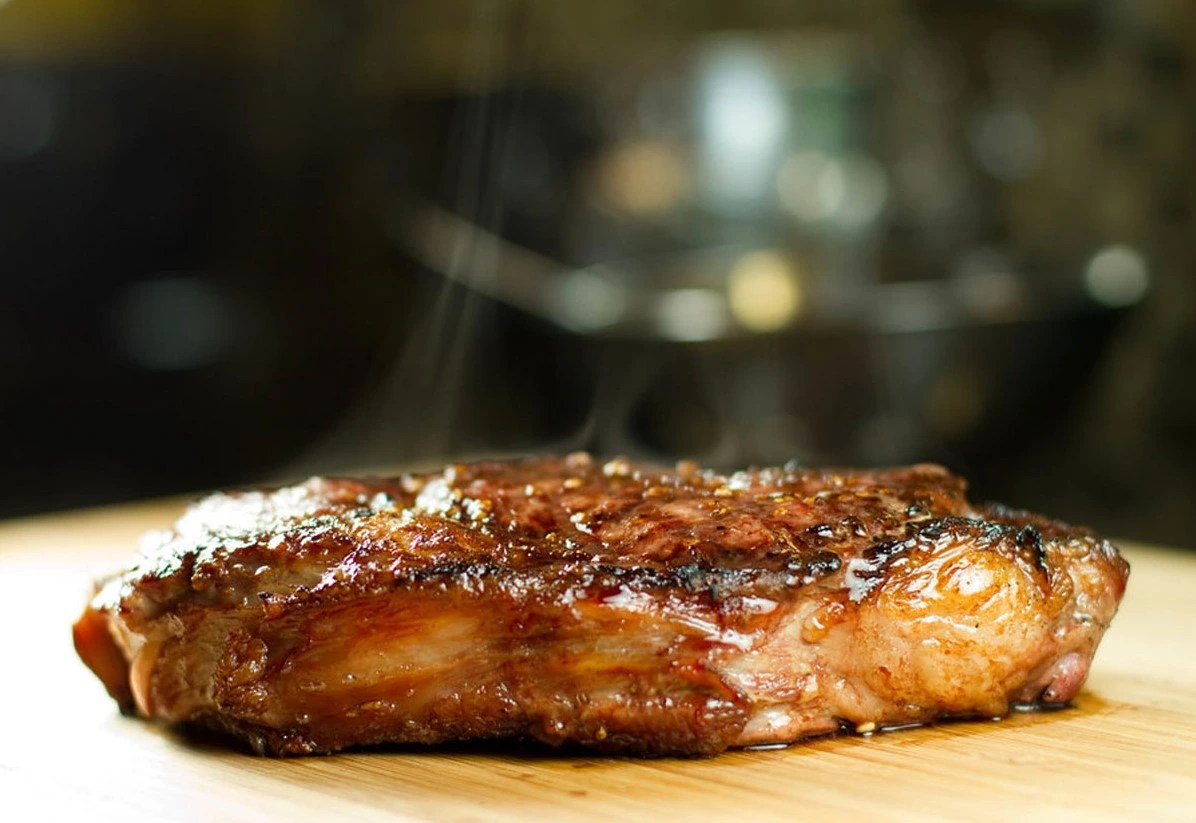
After removing the steak from the grill, it needs time to rest. During cooking, juices move toward the center, and resting allows them to redistribute evenly. Cutting too early causes juice loss and reduces juiciness. Resting time depends on thickness but usually lasts a few minutes. After resting, the steak can be seasoned if desired: fleur de sel, freshly ground pepper, or a small piece of herb butter enhance the flavor without overpowering the meat. Cutting should be against the grain to improve tenderness, and presentation should be simple, as the steak is the centerpiece of the plate.
Different Cuts and Their Characteristics
Each cut of beef has its own characteristics. Ribeye stands out for rich marbling and pronounced flavor. T-bone offers two textures in one piece. Sirloin is balanced and versatile. Filet is extremely tender but requires precise cooking. Rump and hanger steak have a firmer texture but impress with intense flavor.
The Role of Aging in Quality
Aging affects flavor and texture. Dry aging enhances flavor and improves tenderness through natural enzymatic processes. Wet aging retains more moisture and shortens preparation time. Choosing between them is a matter of personal preference; both methods improve the meat’s qualities.
Steak as Part of a Balanced Meal
Beef is an important source of protein, iron, and vitamins. When consumed in moderation, it is a nutritious part of the diet. Proper preparation preserves nutritional value while avoiding unnecessary digestive strain. Fresh side dishes complement the steak and create a balanced meal.
Preparing a steak on the grill requires understanding, patience, and respect for the raw ingredient. Every phase, from selecting the meat to resting after grilling, has a purpose. When all elements come together, the result is a steak that impresses with flavor, texture, and juiciness. This outcome is no accident; it is the result of a thoughtful approach and a love for grilling.
The perfect steak requires knowledge, patience, and, above all, reliable equipment that allows precise temperature control and even cooking. A high-quality grill is not just a tool but the foundation of every successful grilling endeavor. If you want to elevate your grilling skills and achieve top results at home, check out Flamula’s selection of premium grills https://flamula.eu/barbecues/. Choosing the right grill means more enjoyment, better control, and perfect steaks every time.