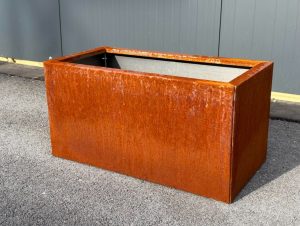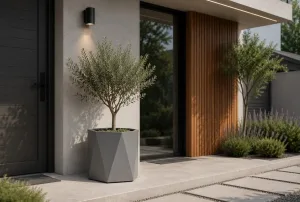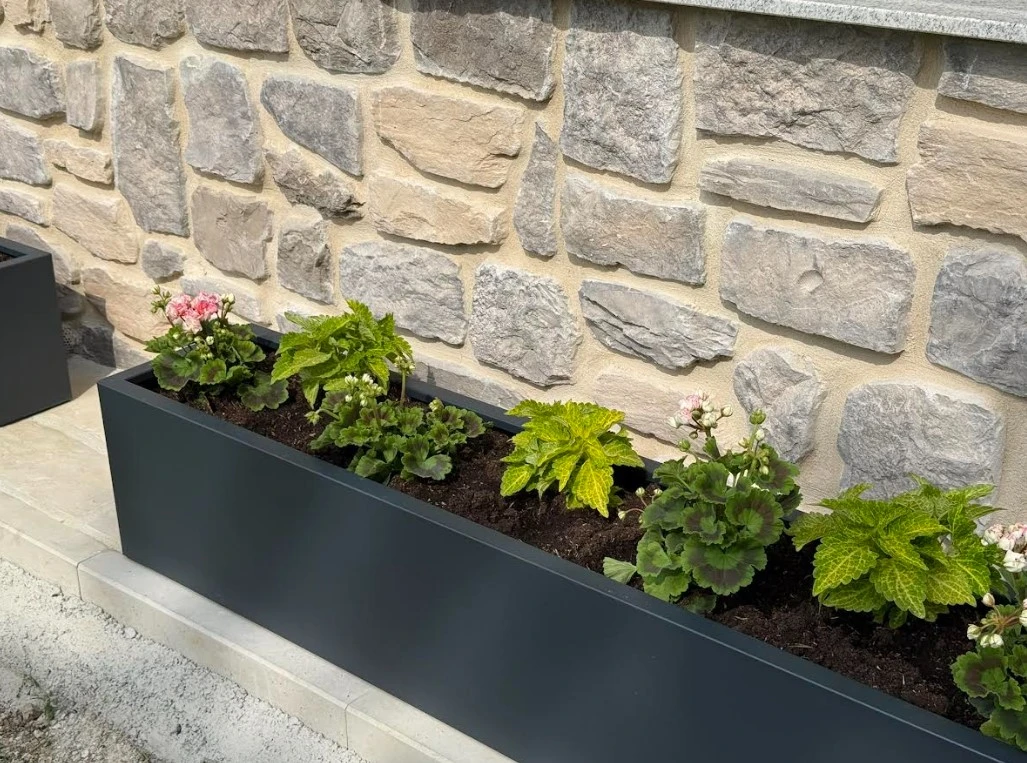
Winter gives way and garden spaces begin to wake up with the start of a new growing season. Planters play an important role during this time, as they allow quick, organized and aesthetic planting even in places where soil is limited or unsuitable for traditional garden beds. Metal planters have become increasingly popular in recent years because they combine durability, modern design and long service life. Spring is the ideal time to prepare them thoroughly, refresh them and fill them with new plants that will bring color and vibrancy throughout the season.
Careful preparation before planting reduces later work, improves plant health and ensures more stable growth throughout the entire season. When everything is prepared in advance, spring gardening becomes more relaxed and more successful.
Cleaning planters and removing winter debris
The first step is thorough cleaning. After winter, planters often contain dry plant remains, leaves, roots and depleted soil particles. All this material should be removed, as it can become a source of disease or pests in the new season. After cleaning, it is also useful to check the condition of the planter itself, as a clean surface makes planning the new planting much easier.
Weeds must also be removed together with their roots, otherwise they can quickly grow back and compete with new plants for water and nutrients.
Renewing soil and improving the substrate
Soil in planters loses quality after one or more seasons. It becomes depleted of nutrients, less airy and poorer at retaining moisture. Therefore, refreshing the substrate is essential. The best approach is to partially replace the old soil or enrich it with high-quality compost. This improves structure and increases nutrient levels significantly. A well-prepared substrate supports root development, resulting in stronger and more resilient plants throughout the season.
Planning planting according to space and light
Successful planting starts with good planning. Before selecting plants, it is important to consider location, sunlight exposure and wind conditions. Sunny spots require heat-tolerant plants, while shaded areas allow for different species, often with more foliage structure.
Height arrangement is also important. Lower plants are placed at the front, while taller ones go in the back, creating depth and structure. This arrangement results in a more natural and balanced appearance. Thoughtful planning ensures that the planter remains visually appealing throughout the season.
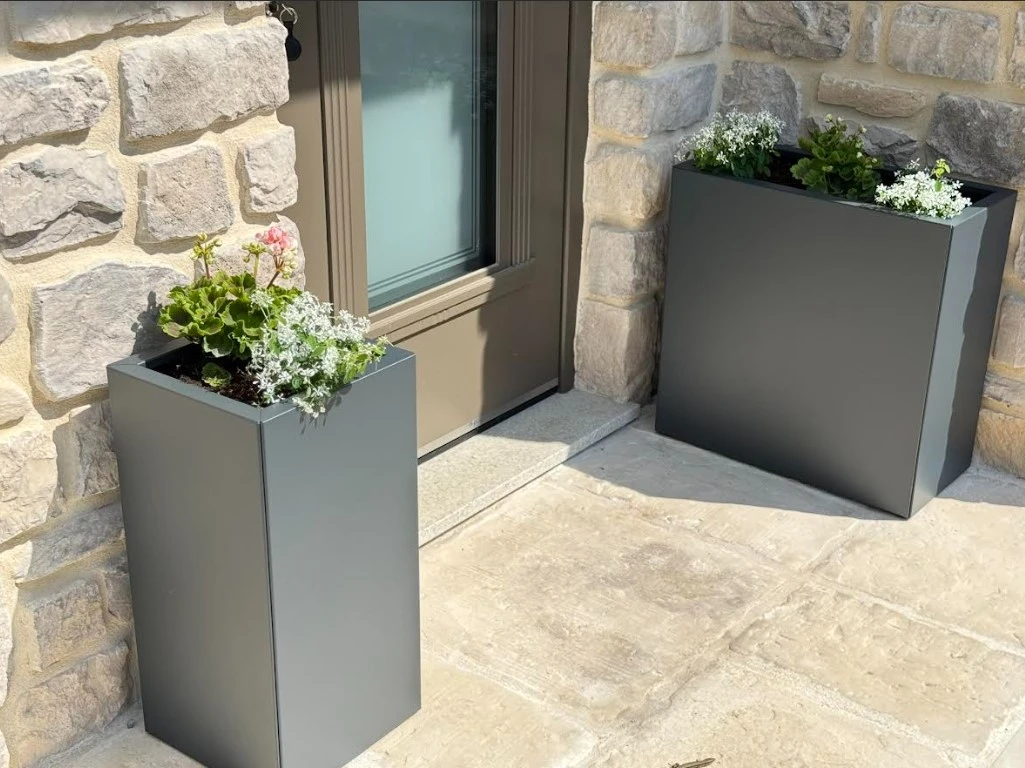
Choosing plants for spring containers
Spring offers a wide variety of suitable plants. Among the first are spring bulbs, which bring color after winter. Tulips, daffodils and hyacinths create strong visual impact and quickly fill the space.
Pansies are also very popular, as they tolerate lower temperatures and bloom for a long time. Daisies, primroses and other low-growing flowering plants can be added to fill empty spaces. Later in the season, herbs or perennials can be introduced to maintain structure even after flowering ends.
The role of drainage in plant health
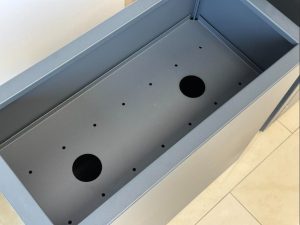
Drainage is one of the most important factors for success in container planting. Metal planters are durable and stable, but without proper drainage they can retain excess moisture. A layer of gravel or other drainage material should be placed at the bottom to allow water to flow away from the root zone. Proper drainage prevents root rot, improves soil aeration and reduces the risk of plant diseases, especially during wet spring periods.
Watering and care throughout the season
Plants in containers have limited space and therefore consume water and nutrients more quickly. Regular watering is essential, especially during warmer months. The amount of water should be adjusted according to weather conditions and plant type. Both overwatering and underwatering can cause problems. The best approach is to regularly check the top layer of soil. Removing spent flowers also encourages new blooms and keeps the arrangement looking tidy.
Creative ideas for seasonal combinations
Planters offer plenty of creative possibilities. In spring, bulb plants can be combined with low ground covers to create a full and rich display. In summer, herbs such as basil, mint and rosemary are commonly used, offering both beauty and usefulness. In autumn, ornamental foliage plants dominate, while evergreen plants maintain structure during winter. This seasonal variation ensures that the garden remains attractive all year round.
Maintenance of metal planters throughout the year
Metal planters are highly durable but still require basic maintenance. Regular cleaning helps maintain their appearance. Drainage openings should also be checked to prevent clogging. In summer, metal can heat up significantly, so partial shade is often beneficial. In winter, standing water should be avoided, as freezing conditions can damage roots.
Sustainability and connection to nature
Modern gardening increasingly focuses on sustainability. Planters allow efficient use of water, fertilizers and space. Durable materials reduce the need for frequent replacement. The use of compost and natural fertilizers improves soil quality and supports beneficial microorganisms.
Spring preparation of planters offers an opportunity to refresh and redesign garden spaces. With proper cleaning, soil renewal, plant selection and drainage, long-lasting and visually appealing arrangements can be created.