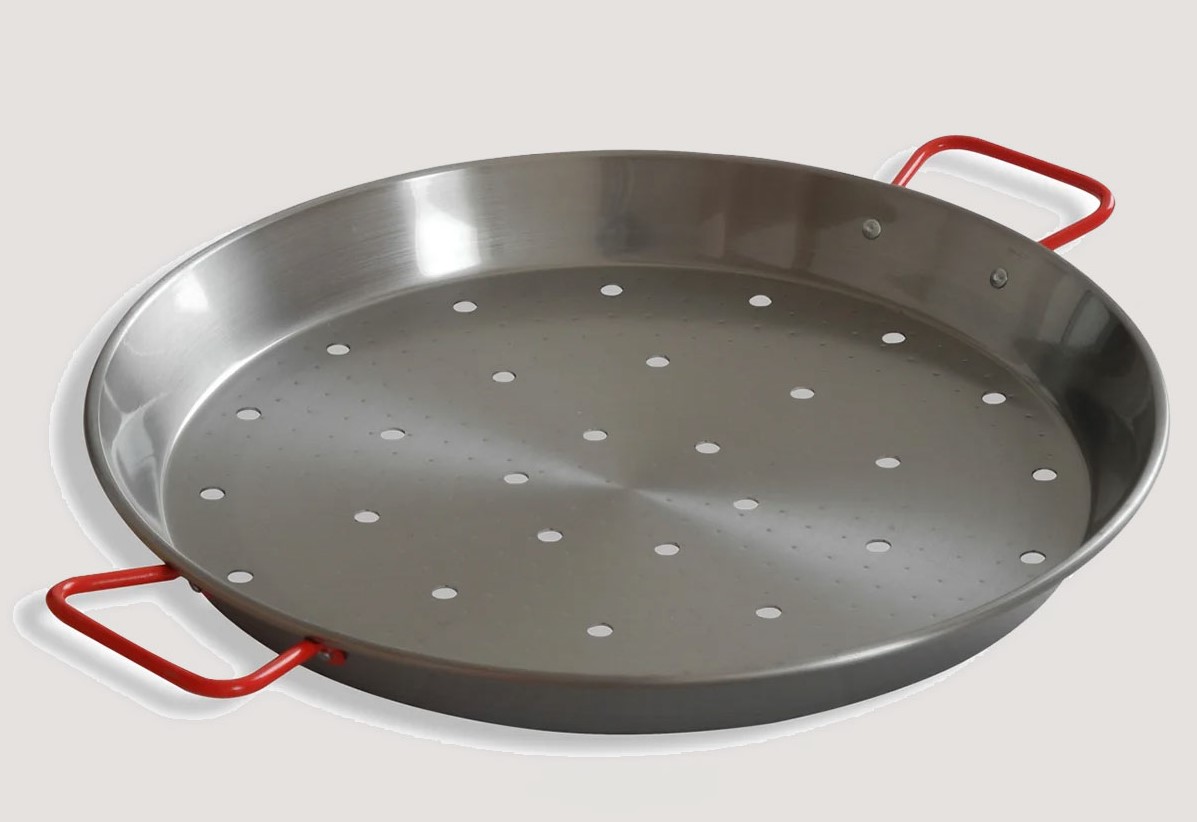
As the days grow shorter and temperatures gradually drop, a scent fills the air that many associate with comfort and coziness. Roasted chestnuts hold a special place among autumn treats, combining simplicity of preparation with rich flavor. The tradition of enjoying chestnuts dates back centuries, but today it is increasingly moving into home kitchens. A chestnut roasting pan is the tool that makes this autumn ritual accessible to everyone, whether you have a garden, a balcony, or just a kitchen.
The Chestnut Roasting Pan as a Key Tool
A chestnut roasting pan is not just a container; it is designed specifically for the needs of this nut. Its purpose is to ensure even heat distribution while allowing excess moisture to escape. This ensures that the chestnuts roast perfectly, the shell splits, and the interior remains soft and juicy. Different models allow use in the oven, on the stovetop, or in a hot air fryer, so the preparation method can be adapted to your space and equipment at home.
Choosing Chestnuts for Success
Every good roasting starts with selecting high-quality nuts. Chestnuts should be firm, heavy, and free from visible damage. A smooth shell and uniform color are signs of freshness. Light chestnuts or those with small holes often hide internal defects. Before placing them in the pan, it’s important to inspect them carefully, as poor-quality chestnuts will not improve during roasting and can spoil the overall experience.
A Short Rest Before Roasting
Although chestnuts are edible shortly after harvest, they improve in quality if given a short resting period. Laying them on paper in a cool, dry place allows the inner structure to stabilize slightly. This process makes peeling after roasting easier and ensures more even flavor. During this time, damaged nuts should be removed, as spoilage spreads quickly.
Proper Scoring of the Shell
Scoring the chestnuts is an essential step. It prevents uncontrolled splitting during heating and creates an opening for steam to escape. The cut should be made on the convex side of the shell, where tension is greatest. The length and depth must be sufficient to reach the hard shell without damaging the nut inside. Proper scoring also affects the appearance of roasted chestnuts, allowing the shell to open evenly.
The Role of Moisture in Roasting
Chestnuts require a balance of dry heat and moisture during roasting. Too dry heat can dry out the interior, while too little heat will not open the shell. That’s why water is often used, either through a brief soak before roasting or by adding a small amount during the process. The chestnut roasting pan is especially useful here, as its design retains steam while circulating heat evenly.
Roasting Chestnuts in the Oven
The oven is a convenient solution for preparing larger quantities. Place the pan on a higher rack, where the heat is strongest. Arrange the scored chestnuts in a single layer so each nut heats evenly. During roasting, it’s advisable to stir the chestnuts several times and, if needed, lightly mist them with water. This method produces evenly roasted chestnuts suitable for serving to multiple people.
Using the Pan on the Stovetop
The stovetop allows more direct control over roasting. Heat the chestnut pan or skillet over medium heat, then add the scored chestnuts. The lid plays an important role by retaining heat and moisture. Shake the pan several times during roasting to prevent individual nuts from burning. This method is ideal for smaller quantities and for those who enjoy actively participating in the preparation.
The Importance of Resting After Roasting
When the chestnuts reach the desired roast level, a short rest is needed. Wrap the warm nuts in a cloth or paper, allowing the trapped steam to further soften the shell. This step greatly eases peeling, as the inner skin separates more easily from the kernel. If chestnuts are left to cool completely without this step, the shell can harden again.
Peeling Without Effort
Peeling chestnuts can often seem daunting, but with the right method, it becomes much easier. It’s best to peel them while still warm, using a kitchen cloth to protect your fingers and improve grip. The roasting pan indirectly helps with this step, as evenly roasted chestnuts release more easily from the shell.
Storing Roasted Chestnuts
Although chestnuts are best fresh, they can be stored for later consumption. Once cooled, place them in an airtight container in the refrigerator. Before eating, it’s recommended to reheat slightly to restore softness. The chestnut roasting pan allows preparing larger batches at once, which is convenient for gatherings or evenings when you want a ready snack.
The Social Aspect of Roasting Chestnuts
Roasting chestnuts is not just a culinary task but also a social experience. The aroma that fills the space creates a cozy atmosphere, encouraging conversation and shared enjoyment. The pan allows this experience to be brought indoors, regardless of the weather. Preparing and peeling chestnuts often becomes part of an evening ritual that brings people together.
Long-Term Use and Maintenance
A quality chestnut roasting pan is designed for many years of use. After each roast, it should be cleaned thoroughly, as shell residues can accumulate on the surface. Proper maintenance preserves the pan’s functionality and appearance, ensuring even roasting in future seasons. Such a tool quickly becomes a kitchen staple, especially in autumn and winter.
The chestnut roasting pan combines practicality, tradition, and modern preparation. It allows a simple forest nut to become a fragrant delicacy prepared at home. With the right choice of chestnuts, proper preparation, and the correct pan, the result is reliable and repeatable. Autumn evenings gain a special charm, and chestnuts reaffirm their status as a beloved seasonal treat, warming hands and delighting taste buds.
For an easy way to prepare perfect roasted chestnuts at home, choose a high-quality pan designed specifically for this purpose. Explore the selection of chestnut roasting pans at Flamula and secure a reliable tool for cozy autumn evenings.