The smell of the sea, smoke, and olive oil is one of the most recognizable symbols of summer. When octopus begins to cook on a hot grill, it creates a special atmosphere familiar to all lovers of Mediterranean cuisine. Grilled octopus is a culinary experience that combines simplicity, tradition, and the rich flavors of the Mediterranean.
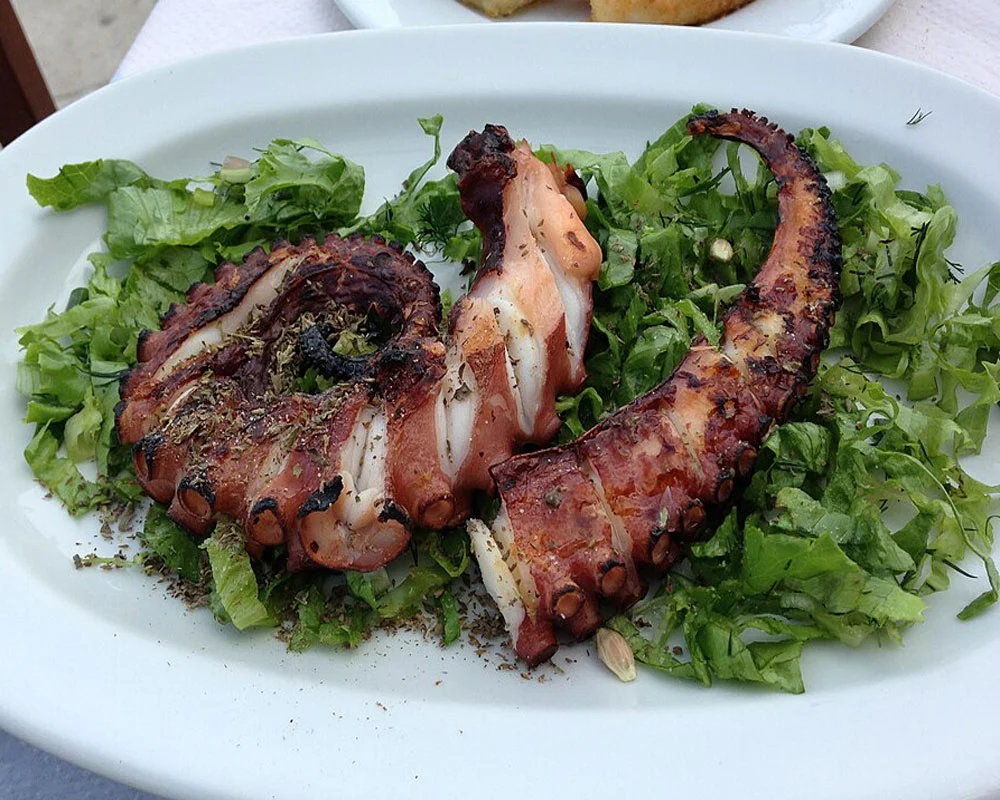
In many coastal towns, octopus is considered one of the most prized specialties. It can be found in Greek tavernas, Dalmatian konobas, Italian restaurants, and modern gourmet venues. Its popularity is mainly based on the unique combination of tender texture and intense seafood flavor. Properly prepared octopus is incredibly soft and juicy, while the exterior develops a slightly crispy crust and a pleasant smoky aroma on the grill. This contrast between the tender interior and the charred surface creates the perfect balance of flavors.
Many people believe that preparing octopus is very difficult, but in reality, it is not. All you need is some patience, quality ingredients, and proper preparation. The biggest secret is not in complicated cooking techniques, but in understanding the ingredient itself and following the correct cooking and grilling process.
Many people believe that preparing octopus is very difficult, but in reality, it is not. All you need is some patience, quality ingredients, and proper preparation. The biggest secret is not in complicated cooking techniques, but in understanding the ingredient itself and following the correct cooking and grilling process.
Many people are convinced that fresh octopus is always the best choice, but that is not necessarily true. Frozen octopus is often even more suitable for grilling. During freezing, the muscle fibers partially break down, making the meat significantly more tender after cooking.
If you buy fresh octopus, it is recommended to freeze it for at least one day before preparation. Then slowly thaw it in the refrigerator. This process helps achieve a better texture and softer tentacles. The origin of the octopus is also important when purchasing. Patagonian and Adriatic octopus are often higher quality and more tender than some cheaper varieties from other parts of the world. Good octopus has firm flesh, a pleasant sea aroma, and clearly visible suction cups.
How to Properly Clean Octopus
If you buy pre-cleaned octopus, you save yourself a lot of work. Still, it is useful to know the proper cleaning process. First, remove the inner part of the head. Then cut out the eyes and remove the beak located in the center of the tentacles. Rinse the octopus thoroughly under cold water to remove any remaining sand or impurities. Some people also remove the outer skin, but this is not necessary. During cooking and grilling, most of the skin remains soft and contributes additional flavor.
Why Pre-Cooking Is Important
The biggest mistake when preparing grilled octopus is placing it directly on the hot grill without boiling it first. In that case, the meat almost always becomes tough and chewy. Octopus should therefore always be cooked before grilling. Cooking softens the muscle fibers while preserving the octopus’s natural juiciness. Only then should it be quickly grilled.
The classic preparation method is very simple. Fill a large pot with water and add a bay leaf, a few black peppercorns, garlic, a little wine, lemon, and a sprig of rosemary. Once the water boils, dip the octopus in and out of the water several times. This helps the tentacles curl beautifully. Then fully submerge it and cook over low heat for approximately forty-five to ninety minutes, depending on its size.
The octopus is ready when you can easily pierce the thickest part of the tentacle with a fork. It is important that the water does not boil too aggressively. Gentle cooking preserves tenderness and prevents the meat from becoming rubbery.
Marinade for Perfect Flavor
Marinating octopus is not mandatory, but it greatly improves the taste and aroma. The marinade helps create a beautifully caramelized surface and adds a distinctive Mediterranean touch to the dish. The most popular option is a simple Mediterranean marinade made from extra virgin olive oil, lemon juice, garlic, wine vinegar, oregano, parsley, and freshly ground black pepper. After cooking, let the octopus cool to room temperature, coat it with the marinade, and leave it to rest for at least thirty minutes. If you have more time, you can marinate it for several hours. However, avoid marinating it too long in highly acidic marinades, as lemon and vinegar can start changing the texture of the meat.
Preparing the Grill
A good grill is one of the key elements for perfect octopus preparation. You need high heat and even cooking. The temperature should be high enough to quickly sear the octopus, but not so high that it dries out. The grill surface should be clean and lightly oiled. This prevents the tentacles from sticking and helps create a better crust. One major advantage of electric grills is precise temperature control. This is especially important when preparing delicate seafood, where even a small temperature difference can affect the final result.
How to Grill Octopus
Place the cooked and marinated octopus on a well-heated grill. Smaller pieces should cook for about three to four minutes per side, while larger tentacles require around eight to ten minutes. The main goal is not long grilling, but quick caramelization of the surface. During grilling, brush the octopus several times with olive oil or leftover marinade. This keeps it juicy and gives it a beautiful shine. Properly grilled octopus has a lightly crispy exterior, while the inside remains soft, juicy, and full of flavor.
The Most Common Mistakes
One of the most common mistakes is undercooking the octopus. If it is not cooked long enough, it will remain tough and chewy. Another common mistake is grilling it for too long. Octopus only needs a few minutes on the grill. Prolonged exposure to heat quickly dries it out. Excessively high temperatures can also be problematic. Intense heat may burn the outside while leaving the inside rubbery. Many chefs also recommend not salting the octopus before cooking. Salt can affect the texture of the meat, so it is better to season it just before serving.
The Best Side Dishes for Octopus
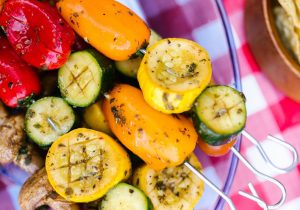
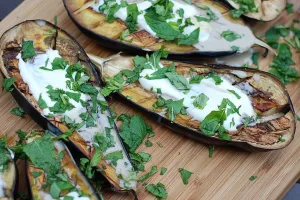
Grilled octopus pairs wonderfully with many side dishes. One of the most classic options is roasted baby potatoes with rosemary and olive oil. Creamy polenta is another excellent accompaniment, creating a beautiful contrast with the smoky flavor of the octopus. Grilled vegetables such as zucchini, peppers, eggplant, and onions are also very popular. These vegetables add sweetness and freshness to the meal. Light summer salads made with arugula, lamb’s lettuce, or tomatoes provide additional freshness and balance.
The Greek Style
Greek grilled octopus is one of the most famous variations of this dish. After boiling, it is marinated in olive oil, wine vinegar, oregano, and garlic. It is then grilled over charcoal and served with capers, lemon, and plenty of olive oil. The beauty of the Greek style lies in its simplicity. Instead of heavy sauces, the natural flavors of the sea, olive oil, and herbs dominate the dish.
The Italian Style
In Italy, octopus is often served with lemon, parsley, and white wine. It is frequently grilled whole and then cut into smaller pieces. The Italian version is usually somewhat milder and less intensely seasoned than the Greek version. It pairs perfectly with pasta, risotto, or light summer salads.
How to Serve Octopus
Presentation plays an important role in this dish. The best way is to cut the octopus into larger pieces and serve it on a wooden board or a large plate. Drizzle it with extra virgin olive oil, add lemon juice, and sprinkle with fresh parsley. For additional flavor, you can add capers, olives, oregano, or roasted garlic. A glass of chilled white wine or a light red wine pairs perfectly with octopus.
Why a Quality Grill Matters
Precise temperature control is extremely important when preparing octopus. Excessive heat can dry it out, while temperatures that are too low prevent the formation of a beautiful crust. That is why more and more Mediterranean food enthusiasts are using electric grills, which provide even heating, accurate temperature settings, and fast preparation. Electric grills allow octopus to stay juicy while still creating a beautifully charred surface and pleasant aroma.
Octopus as a Symbol of Summer
Grilled octopus is more than just a seafood dish. It represents relaxed summer evenings, gatherings by the sea, the smell of smoke, and enjoyment of simple, high-quality ingredients. Its preparation requires some time, but it is not complicated. That is the beauty of Mediterranean cuisine — from just a few excellent ingredients comes a dish that delights everyone at the table. Once you master the basic rules of cooking and grilling, you realize that preparing octopus is much easier than it first appears. The most important elements are proper cooking, moderate grilling, quality ingredients, and a good grill.