Pork ribs on the grill are among the most appreciated dishes when cooking outdoors. Their reputation is no coincidence, as they combine everything expected from a perfect meat dish: rich flavor, appealing appearance, juiciness, and a texture that almost melts in the mouth. When prepared correctly, ribs impress both experienced grill masters and occasional barbecue enthusiasts. That is why they are often considered a true symbol of barbecue culture. Preparing ribs is not just cooking, but a process that requires understanding meat, heat, and time.
Many people mistakenly believe that good ribs require complex equipment or secret techniques. The truth is much simpler. The key to success lies in patience, proper preparation, and temperature control. Once the basic rules are understood, it is possible to achieve outstanding results at home that will impress guests at a picnic or family meal.
Why ribs are the king of the grill
Ribs have a special structure that sets them apart from other cuts of meat. They consist of muscle tissue, fat, and collagen, which changes during slow cooking and creates their characteristic tenderness. This process is what makes ribs so juicy and flavorful. If they are cooked too quickly or at too high a temperature, the collagen does not have time to break down, leaving the meat tough.
Besides texture, flavor plays a crucial role. Ribs absorb spices, marinades, and smoke very well, allowing for a wide variety of tastes. You can create sweet and lightly smoky versions or more spicy and intense profiles. This versatility explains their popularity across many culinary traditions worldwide.
Choosing the right rib cut
Every good dish starts with quality ingredients, and in the case of ribs, that means selecting the right cut of meat. The most common options are baby back ribs and spare ribs. Baby back ribs are smaller, more tender, and generally cook faster. They contain less fat and are ideal for beginners.
Spare ribs are larger, more robust, and contain more fat. This fat contributes to a richer flavor and greater juiciness during cooking, but they require more time to prepare. Regardless of the choice, it is important that the ribs have an even distribution of fat and enough meat between the bones. A uniform shape also ensures even cooking.
Preparing the ribs
Preparation is a crucial step that strongly influences the final result. The first task is removing the thin inner membrane. This layer becomes tough and unpleasant during cooking and also prevents spices from penetrating the meat. It is removed by carefully loosening it with a knife and pulling it off using a paper towel.
Next comes trimming. Any excess fat or uneven pieces of meat should be removed to prevent burning during cooking. This ensures even grilling and a better final appearance.
The next step is seasoning. The ribs are rubbed with a spice mix that typically includes salt, pepper, paprika, garlic, onion, and brown sugar. This mixture creates an aromatic crust that caramelizes during grilling. The spices should be gently massaged into the surface while preserving the structure of the meat. After seasoning, the ribs should rest so the flavors can blend.
Cooking process
The temperature should be low and stable, ideally between 110 and 150 degrees Celsius. It is important to monitor it regularly to avoid fluctuations. A water container inside the grill helps maintain humidity and prevents the meat from drying out.
The cooking process takes place in several stages. First, the ribs are placed on the grill and slowly cooked for several hours. During this time, collagen begins to break down, which is essential for tenderness. After a few hours, the ribs are wrapped in aluminum foil. This step creates steam inside, further softening the meat and preserving its juiciness. At this stage, liquids such as apple juice or barbecue sauce can be added.
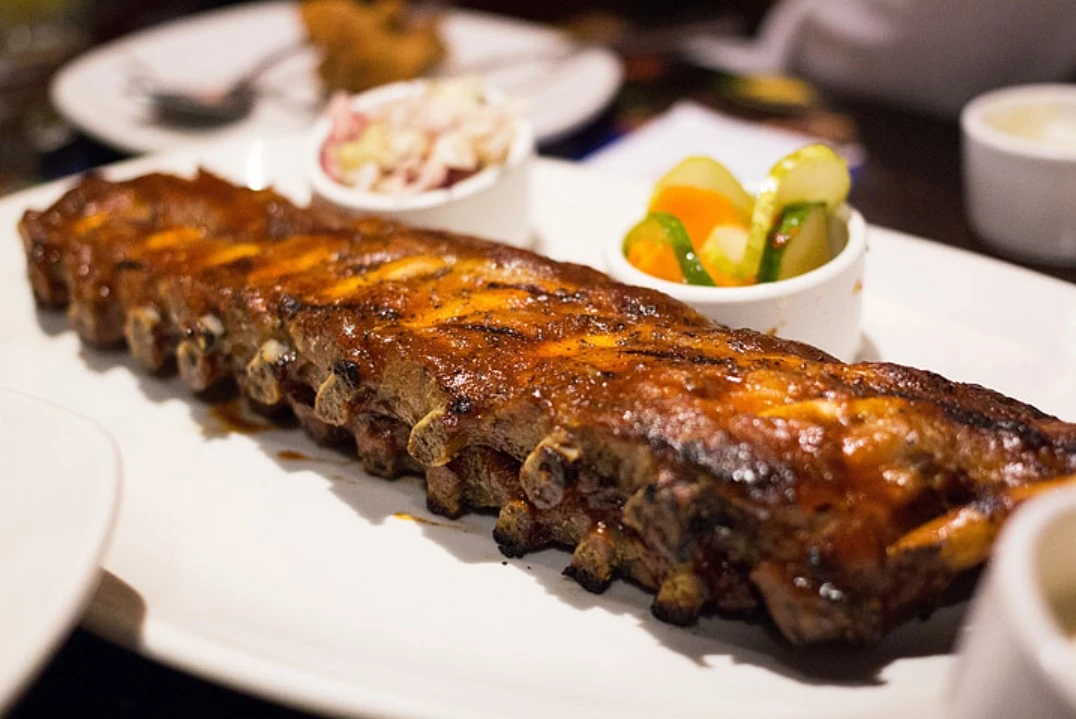
Once the ribs are tender enough, they are unwrapped and returned to the grill. In the final stage, barbecue sauce is applied, which caramelizes under heat and forms a glossy, flavorful crust.
When ribs are done
Perfectly cooked ribs can be recognized by several signs. The meat begins to pull away from the bones, which slightly protrude. When lifted, the rack bends naturally. If small cracks appear while gently bending the ribs, the texture is correct. With a thermometer, the ideal internal temperature is around 90 degrees Celsius.
Secrets to perfect flavor
The final result depends heavily on details. The right spice balance creates flavor harmony. Moisture during cooking prevents drying. Resting after cooking is also important, as it allows juices to redistribute evenly.
Spices mainly affect the surface and do not penetrate deeply into the meat. That is why moderation is important. Too much sugar can burn, and too much salt can overpower the natural flavor of the meat. The best combination enhances the meat without dominating it.
Serving
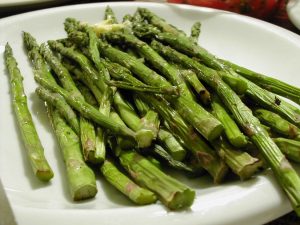
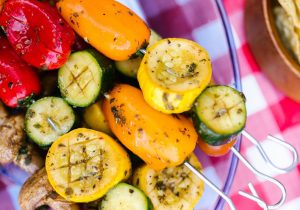
Once cooked, the ribs are cut between the bones and served hot. They pair perfectly with side dishes such as roasted potatoes, corn, or fresh vegetables. Barbecue sauce can be served on the side to enhance the flavor.
Different sauces can also be added, ranging from sweet to spicy or slightly tangy versions, creating interesting contrasts. Light salads help balance the richness of the meat and complete the meal experience.
Preparing ribs on the grill is a process that takes time, but the result is well worth the effort. With the right meat selection, proper preparation, and slow cooking, it is possible to achieve an exceptional dish. Once the basics are mastered, preparing ribs becomes a rewarding culinary experience.
Ribs are not just a dish, but also a moment of sharing. They represent social gatherings, time spent with friends and family, and enjoyment of simple yet outstanding flavors.
Time for the perfect barbecued ribs
Now that you know all the key steps to making tender, juicy, and delicious ribs, it’s time to put the theory into practice. Whether you’re hosting a picnic for friends or a family dinner, well-prepared ribs will always impress.