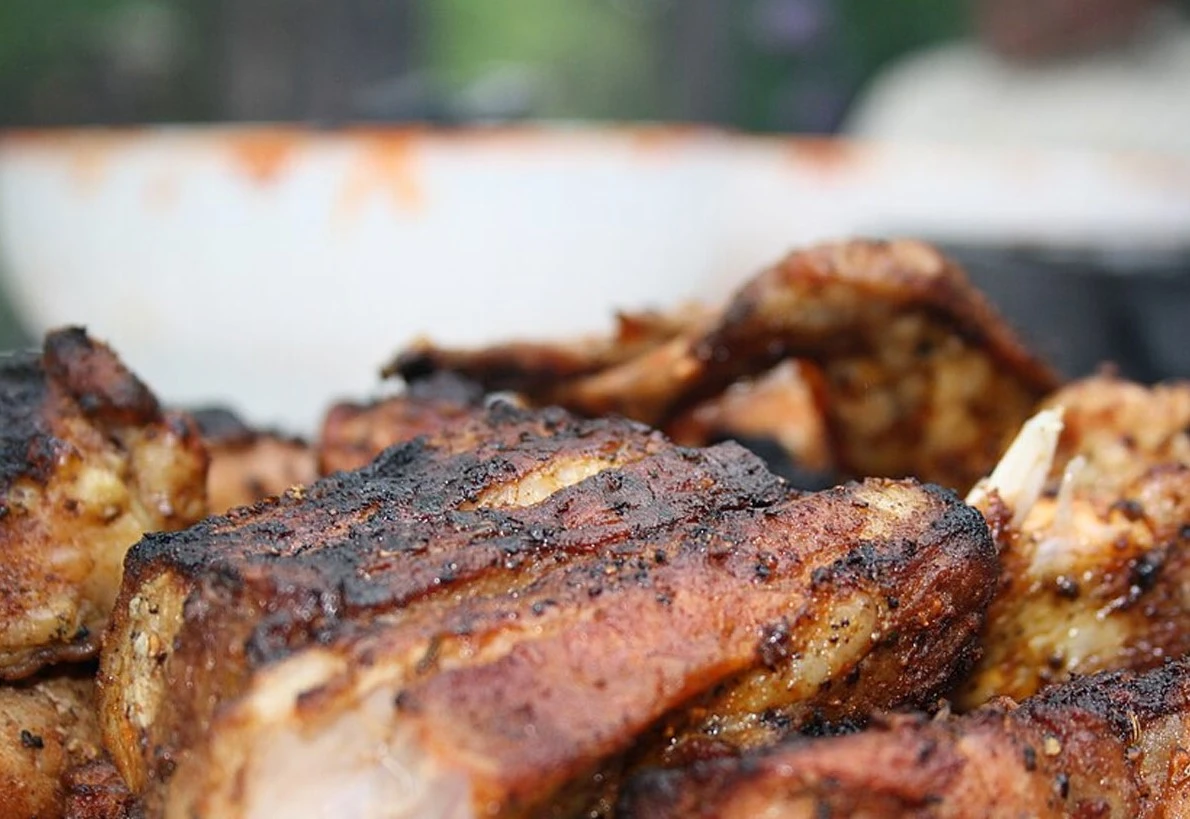
Seasoning meat for the grill is the first step that determines whether the final result will be average or will truly impress everyone gathered around the table. The summer months bring more outdoor socializing, relaxed evenings, and countless opportunities to place the grill at the center of attention. That is why it makes sense to approach preparation thoughtfully and with a solid understanding of the basics. A good grill master does not start with the fire, but with proper meat preparation, where seasonings play a key role. Their purpose is not only to add flavor, but also to highlight the meat’s natural qualities and create an appealing, well-seared surface.
Understanding the type of meat before seasoning
Each type of meat requires a different approach, so understanding the basic differences is essential. Fish and poultry are among the more delicate foods and do not require long preparation before grilling. Their structure is tender, and their flavor quickly absorbs added aromas. It is different with beef, pork, and game, where the muscle fibers are firmer and require more attention. For these meats, the addition of acidic ingredients plays an important role, as they help relax the fibers and improve the final texture. The correct choice of seasonings and additions should always be adapted to the base ingredient.
Marinades as the foundation of deep flavor
Marinades allow flavors to spread across the entire surface of the meat and partially penetrate it. Their purpose is not only aromatic but also functional, as they help retain juiciness during cooking. They are usually based on high-quality oil, which binds spices and herbs and prevents drying out. Garlic, onion, or shallot provide a rich aroma that further develops when exposed to heat. A marinade should be balanced, as an overly strong flavor can quickly overpower the natural character of the meat and spoil the overall experience.
Key ingredients of a successful marinade
A well-designed marinade contains several elements that complement one another. Oil serves as a carrier of flavor, acidity ensures tenderness, and aromatic additions define the character of the dish. For meats that require longer preparation, the addition of wine, vinegar, or citrus is especially welcome. A small amount of sugar balances sharpness and contributes to a more attractive color during grilling. Spicy seasonings can add liveliness but should be used sparingly. Fresh herbs such as thyme, rosemary, or basil provide freshness and a pleasant aroma.
Proper salting for perfect juiciness
Salt has a special role in meat preparation and should therefore be used thoughtfully. If meat is salted too early, it begins to lose moisture, which negatively affects juiciness. The best result is achieved by adding salt shortly before grilling, about fifteen minutes in advance. Marinades should be salt-free, with salt added separately. This approach allows the meat to retain more juices during cooking and deliver a fuller flavor with every bite.
Marinating time and the importance of temperature
The length of marinating depends on the type and size of the meat. Fish needs only brief contact with the marinade, as it absorbs flavor quickly, while larger cuts of pork or beef require several hours of resting time. It is also important that the meat is not cold before grilling. It should be taken out of the refrigerator in time to reach room temperature. This ensures more even cooking, without sudden temperature changes that could affect the final result.
Dry spice rubs for quick preparation
Dry rubs are an excellent solution when an intense flavor is desired without long marinating. They consist of a combination of salt, sugar, and selected spices that are rubbed into the surface of the meat. During grilling, these ingredients combine with the meat juices to form an aromatic crust. Such blends can be prepared at home and stored in glass containers, protected from moisture and light. A freshly made version always offers a more pronounced flavor and a pleasant aroma.
Homemade grill spice blend
Preparing a homemade grill spice blend allows complete control over the ingredients and flavor intensity. The base should include salt and freshly ground black pepper, followed by ground paprika, garlic powder, thyme, and a small pinch of sugar. Sugar helps create a beautifully seared surface during grilling. Other spices can be added according to personal taste. This blend works well for meat, fish, or vegetables and quickly becomes a staple of any barbecue.
Adapting seasonings to different types of meat
Poultry pairs best with mild, aromatic additions that enhance its natural juiciness. Beef requires a more restrained approach, as it already offers a strong, distinctive flavor. Pork allows for more playfulness, especially with sweet-spicy accents that add depth. Fish needs short seasoning times and delicate ingredients to preserve its structure. Adapting seasonings to the specific ingredient is one of the key factors for successful grilling.
The role of seasonings in creating a crust
Seasonings are important not only for flavor but also for the texture that forms during grilling. Sugar, paprika, and pepper contribute to the development of a seared surface that gives meat its characteristic appearance and aroma. This crust locks juices inside and creates a pleasant contrast between the exterior and the interior. It is often this combination that separates an average dish from a truly memorable one.
Knowledge that elevates every barbecue
Successful grilling is the result of understanding ingredients, proper seasoning, and patient preparation. When quality meat, carefully chosen seasonings, and the right timing come together, the result is dishes that impress. This approach creates a relaxed atmosphere, brings people together, and ensures guests are happy to return. Seasoning meat for the grill is therefore not just a technical process, but an important part of the summer culinary story written around the fire and good company.
If we want all the effort put into seasoning the meat to truly shine on the plate, a reliable grill is just as important as good ingredients. Flamula electric grills offer precise temperature control, even cooking, and clean preparation without open flames, making them an excellent choice for terraces, balconies, and gardens. This allows every cut of meat to be cooked just right, developing a perfect crust while the inside remains juicy and full of flavor.
Explore the range of Flamula electric grills at https://flamula.eu/barbecues/ and take your grilling skills to the next level—from proper seasoning to perfect cooking.