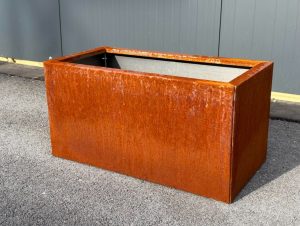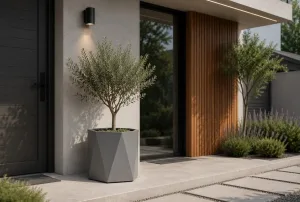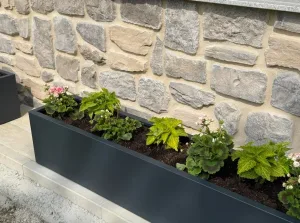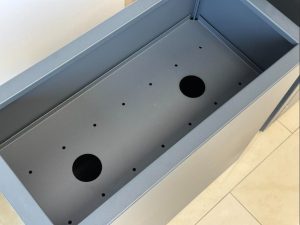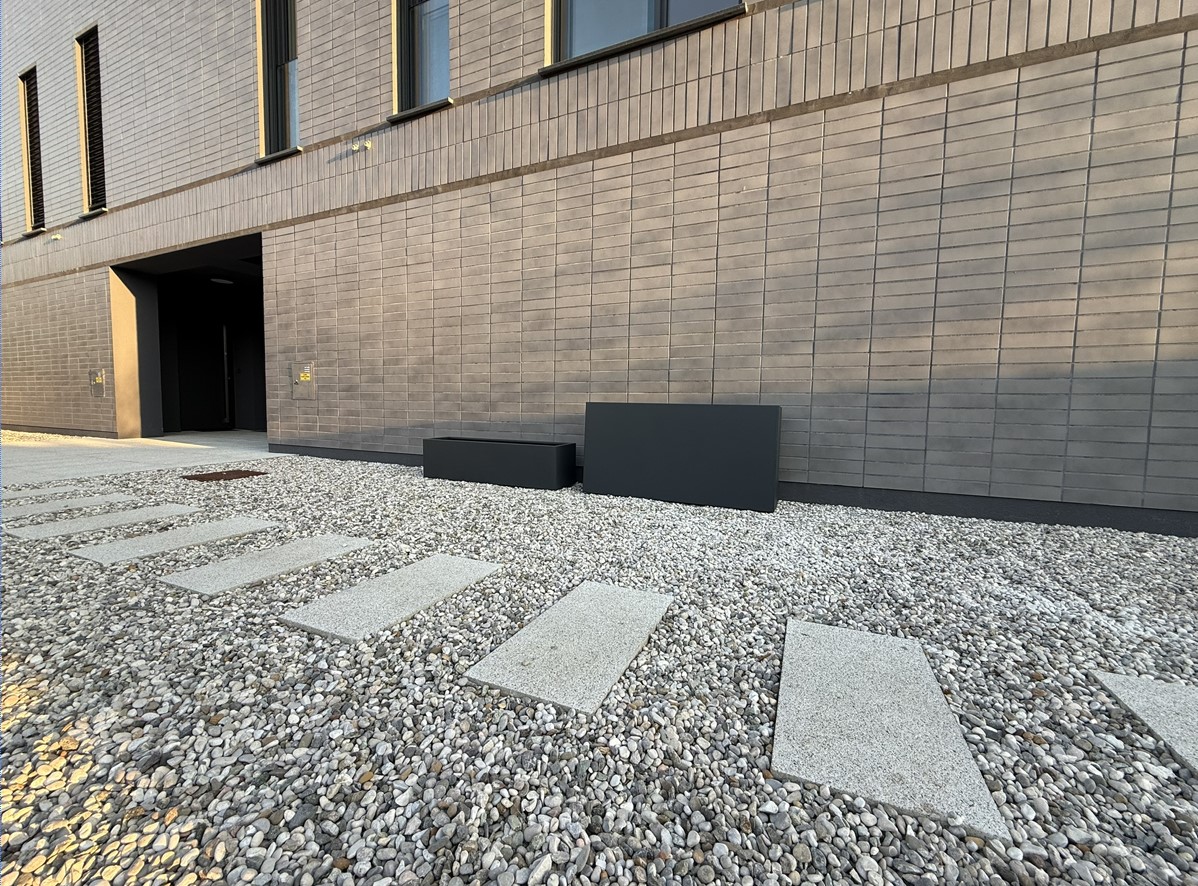
In the modern urban environment, where cities and municipalities are increasingly aware of the importance of aesthetically designed and functional outdoor spaces, flower planters have become an indispensable design element. This simple yet highly effective solution allows public areas—such as squares, spaces in front of municipal buildings, parks, pedestrian zones, and even traffic islands—to be transformed into attractive green oases. Not only do they add color and life to otherwise sterile concrete surfaces, but they also encourage community interaction, improve air quality, and contribute to the well-being of people.
At Flamula, we offer a wide range of flower planters specifically designed for such purposes. The selection is tailored to the needs of both public institutions and private users, including local communities, hotels, restaurants, and individuals who want to combine practicality with aesthetics and long-lasting durability.
History and Significance of Flower Planters in Urban Design
Before we delve into Flamula’s specific offerings, it is worth briefly highlighting the historical context of flower planters in the design of outdoor spaces. Even in ancient times, civilizations such as the Romans and Greeks used plant containers to decorate public areas. In modern times, flower planters have become a symbol of urban revitalization, particularly in Europe after World War II, when cities sought ways to rejuvenate damaged areas.
In Slovenia, flower planters have become a standard element in the design of squares and in front of public buildings, such as municipal offices. Flamula continues this tradition with its offerings, but with a modern approach that emphasizes sustainability and functionality. In this way, planters are not only decorative but also serve as a tool to promote biodiversity and green initiatives in cities, where space is limited but the need for nature is great.
Today, in the era of climate change, flower planters play an important role in mitigating urban heat islands. Planting in them can lower surrounding temperatures by several degrees, improve air filtration, and reduce noise. For example, planters placed in a square in front of a municipal building can create a microhabitat for butterflies and bees, contributing to ecological balance. At Flamula, we understand this, and our offerings are designed to support these goals—with environmentally friendly materials and designs that allow easy integration into existing urban structures.
Materials and Production
One of the most important advantages of our offerings is the materials, which provide exceptional durability and resistance to external elements. All flower planters are made from high-quality 1.5 mm galvanized steel, making them robust and long-lasting. The galvanized steel is coated with a layer of zinc, which acts as a protective barrier against corrosion, rust, and other damage caused by weather conditions such as rain, snow, strong sunlight, or even road salt used in winter. This is especially crucial for use in public spaces, such as squares or in front of municipal buildings, where planters are exposed not only to natural elements but also to frequent human contact, potential vandalism, and pollution.
The colors of the planters are selected from the standard RAL palette, specifically RAL 9007 FS and RAL 7016 FS, which represent shades of anthracite gray. These colors are not only aesthetically appealing and modern but also UV-resistant and waterproof, meaning they do not fade, crack, or peel even after prolonged exposure to sun and rain.
The manufacturing is precise, ensuring flawless joints and smooth surfaces. For example, a planter measuring 30 × 80 × 60 cm in RAL 9007 FS is designed to integrate seamlessly into an urban environment, where a minimalist and elegant design is required, without standing out in a way that would disrupt architectural harmony.
This choice of materials is no accident—galvanized steel is environmentally friendly, as it is fully recyclable and does not require the use of harmful chemicals for weather protection. Compared to plastic or wooden alternatives, which wear out quickly or require regular maintenance such as painting or treatment, Flamula planters are virtually maintenance-free. This is especially important for municipalities with limited budgets for the upkeep of public spaces.
Flamula ensures that their planters are manufactured in Slovenia, which not only supports the local economy but also reduces the carbon footprint due to shorter transportation routes and the use of local raw materials. In the context of designing outdoor spaces, such as public squares, where sustainability is increasingly central, this means that local communities can invest in solutions that not only enhance aesthetics but also contribute to the city’s green development and reduce waste.
Varied Dimensions and Models for Flexible Design
Our range includes several models of flower planters in different dimensions, allowing for maximum adaptation to the specific needs of outdoor spaces. Among the popular models is the planter measuring 30 × 80 × 60 cm in RAL 9007 FS. This planter is compact yet spacious enough to accommodate multiple plants, such as flowers, herbs, or even small shrubs. Its height of 60 cm allows the plants to grow tall enough to create a visual barrier or highlight architectural elements, such as steps in front of a municipal building. The width of 80 cm and depth of 30 cm provide stability, even on uneven surfaces, which is often the case in historic city centers.
For larger spaces, there is the 60 × 80 × 60 cm model in RAL 7016 FS. This larger size allows for planting a greater number of plants, including small trees or perennials, making it ideal for arranging bigger squares or parks where a stronger visual impact is needed. The width of 80 cm and depth of 60 cm ensure that the planter can hold a larger volume of soil and water without tipping over in windy conditions.
Another flower planter, measuring 30 × 60 × 60 cm in RAL 9007 FS, is suitable for linear arrangements, for example along the edges of squares or pathways in front of municipal buildings, where a uniform and tidy appearance is needed without occupying too much space.
Particularly interesting is the 30 × 160 × 30 cm model in RAL 7016 FS. This elongated shape is ideal for creating natural barriers, for example, to separate pedestrian zones from traffic areas in a square or to create green corridors along streets. The length of 160 cm allows the planter to be used as an element for guiding pedestrian flow or defining seating areas. All models feature a perforated bottom with drainage holes, which prevents waterlogging and root rot.
These dimensions allow for a modular approach to design. For example, a municipality can combine smaller planters (such as 30 × 60 × 60 cm) to decorate entrances with larger flower planters (such as 60 × 80 × 60 cm) for the central areas of a square, creating a harmonious whole with different levels of greenery. There is also the option to order custom sizes if standard dimensions do not meet the requirements of specific projects, such as irregularly shaped squares or special architectural needs in front of municipal buildings.
The range also includes smaller models, such as the 30 × 80 × 30 cm planter, which are suitable for balconies or smaller public spaces, but they can also be used in combination with larger planters to create multi-layered arrangements. For example, in a square, taller planters can be placed in the background and shorter ones in the front, creating depth and visual interest.
Advantages for Long-Term Use in Public Spaces
Flamula flower planters stand out for their advantages, specifically tailored to the demands of public outdoor spaces. The first and most important is their resistance to weather conditions. In Slovenia, where weather can change rapidly—from rainy springs and hot summers to snowy winters and windy autumns—it is crucial that planters withstand extremes without damage. The galvanized steel and UV-resistant paint ensure that the planters do not rust, crack, fade, or become brittle due to frost. This reduces maintenance costs for municipalities, which would otherwise spend significant resources on repairing or replacing lower-quality products.
Durability is another key aspect we emphasize. The planters have a long lifespan, often exceeding 20 years, making them a cost-effective investment. By comparison, plastic planters can break after a few years, and wooden ones require regular treatment against rot, whereas metal planters remain intact for decades without additional maintenance. This is particularly relevant for areas in front of municipal buildings, where a professional and lasting appearance is needed to reflect the organization of the local community.
Additionally, the planters are suitable for various architectural styles—from modern urban environments with minimalist design to historic squares—allowing for aesthetic harmony and avoiding visual clashes.
In the context of green infrastructure, planters contribute to biodiversity and environmental benefits. Planting native species in them can attract pollinators such as bees and butterflies, improve air quality by absorbing CO₂, and reduce the urban heat island effect by providing shade and cooling. For example, in a square, planters can help reduce pollution from traffic, as the plants filter particulates and noise.
Additionally, the planters are vandal-resistant. Due to their robust construction and heavy structure (from the metal and soil), they are difficult to move or damage, which is important in public spaces with high foot traffic.
Practical Use in Various Outdoor Spaces
Arranging outdoor spaces with Flamula flower planters is simple, flexible, and highly effective. In a square, you can place 60 × 80 × 60 cm planters in groups of three or four to create a green gathering area for residents. Plant them with seasonal flowers, such as petunias in the summer for vibrant colors, or chrysanthemums in the autumn for warm tones, maintaining visual appeal throughout the year and promoting tourism. Taller planters can also serve as natural benches when combined with wooden additions, creating a space for relaxation.
In front of municipal buildings, smaller planters, such as 30 × 60 × 60 cm, are suitable when placed along stairs or entrances, adding a touch of elegance and a welcoming feel for visitors. Here, you can plant perennials such as lavender or rosemary, which not only look attractive but also emit a pleasant fragrance and repel insects.
For privacy and space separation, the 30 × 160 × 30 cm model is ideal, functioning as a natural barrier in a square—separating children’s playgrounds from traffic areas or creating intimate zones for cafés.
In parks or along riverbanks, larger models can be used to create green islands, where the planters serve as habitats for birds and small animals. For example, combining different sizes allows for multi-layered planting—lower planters for groundcover plants and taller ones for climbers, creating vertical greenery.
In commercial environments, such as in front of hotels, planters can also support branding, as plants can be arranged in the company’s logo colors.
Tips for Planting and Maintenance
Although Flamula planters are designed for minimal maintenance, a few tips can help ensure optimal use. When planting, choose high-quality, nutrient-rich soil and add a drainage layer of sand or gravel at the bottom to improve water flow through the perforated holes.
Maintenance includes regular watering, depending on the weather—once a day during dry periods, and less frequently during rainy periods. Occasionally check the drainage holes to ensure they do not become blocked, and clean the surface of the planters with a soft cloth and water to preserve the color. In winter, if perennial plants are planted, protect them from frost using insulating materials.
Environmental and Economic Aspects
Sustainability is at the core of Flamula’s offerings—the materials are recyclable, and production is carried out with minimal waste. This contributes to reducing the carbon footprint of cities, as green areas absorb pollutants. Economically, the planters are cost-effective—the initial investment is offset by low maintenance costs and increased attractiveness of the spaces, which can boost tourism and the local economy. For example, a municipality that arranges a square with Flamula planters can expect more visitors, benefiting shops and cafés. In the long term, this leads to higher tax revenues and an improved city image.
Flamula flower planters are an ideal solution for arranging outdoor spaces, such as squares and areas in front of municipal buildings. With our offerings, you can create lasting, aesthetically pleasing, and functional green spaces that enhance the quality of life.