Nothing captures the summer atmosphere better than the smell of a grill slowly spreading through the garden or terrace and inviting relaxed social gatherings. As temperatures rise, the grill often becomes the center of culinary events, but meat and fish do not necessarily have to take the spotlight. Grilled vegetables are just as delicious, often even more surprising, and extremely versatile. Their natural sweetness, which develops during cooking, along with a slightly smoky flavor, creates dishes that are both light, nutritious, and full of character.
Why choose grilled vegetables?
Grilled vegetables are not just a side dish; they can easily become the main part of a meal. During grilling, the process of caramelization occurs, where natural sugars lightly brown and create rich, full flavors. This transformation is the reason why many people who are not usually fond of vegetables change their minds after trying them from the grill.
In addition to their excellent taste, this method of preparation also offers numerous nutritional benefits. Vegetables retain most of their vitamins and minerals because cooking time is short and added fats are minimal. This means the meal is light yet still very filling. Since no heavy sauces or lengthy preparation are needed, grilled vegetables are ideal for a healthy everyday diet or relaxed weekend picnics.
Which vegetables to choose?
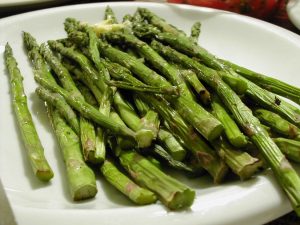
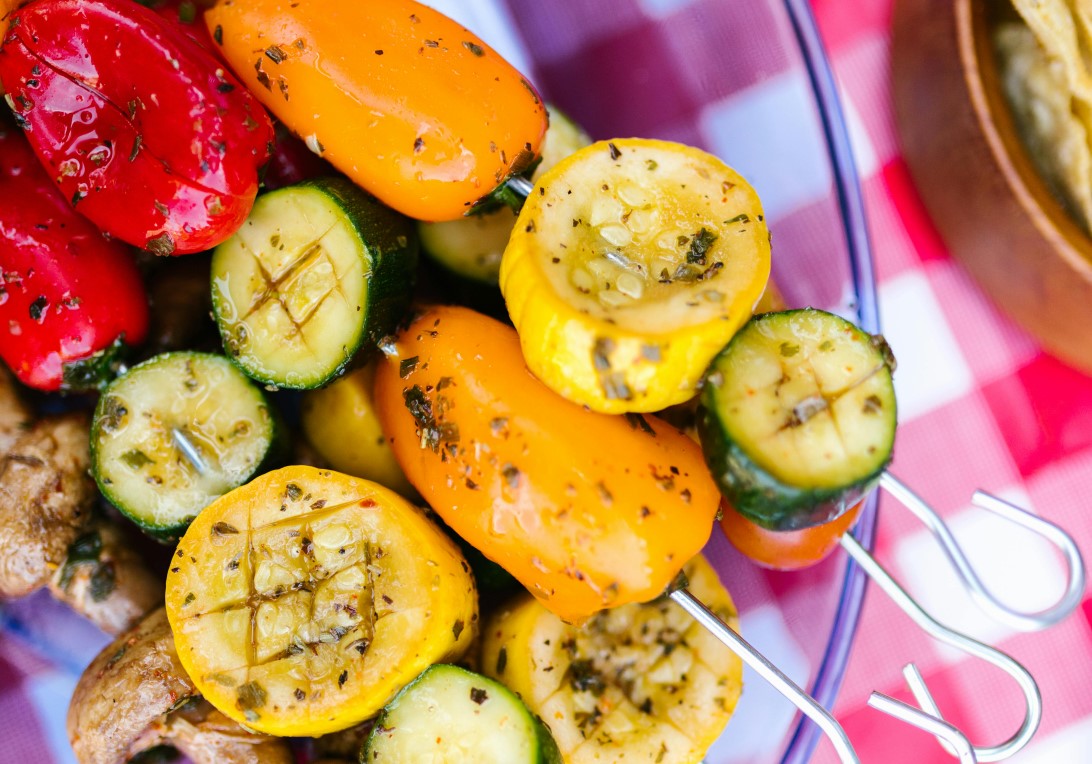
Although almost any vegetable can be grilled, some types are especially suitable. The most commonly used include zucchini, eggplants, bell peppers of various colors, mushrooms, onions, asparagus, corn, and tomatoes. These vegetables have enough structure to withstand high temperatures while becoming pleasantly tender and flavorful.
When selecting vegetables, it is important that they are fresh, firm, and seasonal. Fresh vegetables contain more natural juices, which transform into aromatic flavors during grilling. It is also a good idea to combine different colors, as grilled dishes are not only tasty but also visually very appealing.
Basic preparation rules
The preparation of grilled vegetables starts in the kitchen. First, the vegetables should be thoroughly washed and dried, as excess water can affect the grilling process. They are then cut into evenly sized pieces, since uniformity ensures even cooking. The ideal thickness is about one centimeter, which works well for most vegetables.
Before grilling, the vegetables are lightly brushed with oil to prevent sticking and help retain juiciness. Olive oil is the most common choice as it complements the natural flavors, but other vegetable oils can also be used.
Seasoning should remain simple to highlight the natural taste. Salt and pepper form the base, with optional additions such as oregano, thyme, rosemary, or finely chopped garlic. It is also essential that the grill is properly preheated to achieve the characteristic grill marks and the right texture.
Marinating – the secret to superior flavor
If you want to elevate vegetables to a higher culinary level, you can marinate them. Marinades infuse vegetables with flavor and add depth. A basic marinade usually includes olive oil, lemon juice or vinegar, along with herbs and spices.
Softer vegetables such as zucchini and mushrooms require only a short marinating time of about ten to fifteen minutes. Firmer vegetables like peppers or eggplants can be left in the marinade longer, up to thirty minutes or more. However, it is important not to overuse sweet ingredients, as they can burn quickly on the grill and create a bitter taste.
Grilling process
Once prepared, the vegetables are placed on a well-heated and lightly oiled grill. It is important to arrange them so they have enough space and do not overlap. During grilling, they should be turned regularly to ensure even cooking on all sides.
Cooking time depends on the type of vegetable but generally ranges from ten to fifteen minutes. Thinner pieces cook faster, while thicker ones require a bit more time. The vegetables are ready when they become tender but still slightly firm and develop characteristic golden or darker grill marks.
Most common mistakes
Several common mistakes can affect the final result when grilling vegetables. One of the most frequent is under-seasoning, which leaves the vegetables bland. Another common issue is insufficient oiling, which causes sticking and damage during turning.
Excessively high heat is also a problem, as it burns the outside while leaving the inside undercooked. In addition, overly large pieces result in uneven cooking, making it important to cut vegetables evenly and thoughtfully.
Serving ideas
Grilled vegetables are extremely versatile and can be served in many ways. They are most often used as a side dish for meat or fish, but they also work very well as a main course. They can be added to salads, pasta, or rice bowls, where they provide a smoky and rich flavor. They pair excellently with dips such as hummus, tzatziki, or pesto, and also with cheeses like feta or goat cheese. Fresh herbs added at the end provide additional aroma and freshness, completing the dish.
Simple recipe for mixed grilled vegetables
To prepare a simple but tasty mixed vegetable dish, you need zucchini, eggplant, and bell peppers. The vegetables are cut into uniform pieces and lightly brushed with olive oil. The grill is preheated to medium-high heat, and the vegetables are cooked for about ten to thirteen minutes, turning them several times during grilling. Once cooked, they are drizzled with a mixture of olive oil and lemon juice and seasoned with salt, pepper, and oregano. If desired, you can also add goat cheese or fresh herbs to further enhance the dish.
Grilled vegetables are the perfect choice for anyone who wants to combine healthy eating with excellent taste and simple preparation. With the right selection of ingredients, a good balance of spices, and basic grilling techniques, you can create dishes that impress everyone. In addition, the preparation is social and relaxed, making it ideal for summer evenings spent with family and friends.