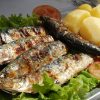
Grilled fish is among the most popular summer dishes, as it combines the freshness of the sea, the aroma of smoke, and the lightness of healthy eating. The smell of grilled fish spreading from the barbecue often reminds many people of seaside holidays, relaxed evenings, and social gatherings with friends. However, many people approach preparing fish on the grill with some hesitation. It often happens that the fish sticks to the grill, falls apart when turning, or becomes too dry. In reality, preparing perfect grilled fish is not difficult if you know a few basic rules and techniques.
Fish meat is different from the meat of land animals. Its structure is much more delicate, as the muscle tissue is arranged in thin layers connected by soft connective tissue. During cooking, the fibers contract and the connective tissue softens, making the fish extremely tender and juicy. Because of this characteristic, it is important to remove the fish from the grill at the right moment. If it is grilled too long, it loses moisture and becomes dry and crumbly.
Choosing the right fish for grilling
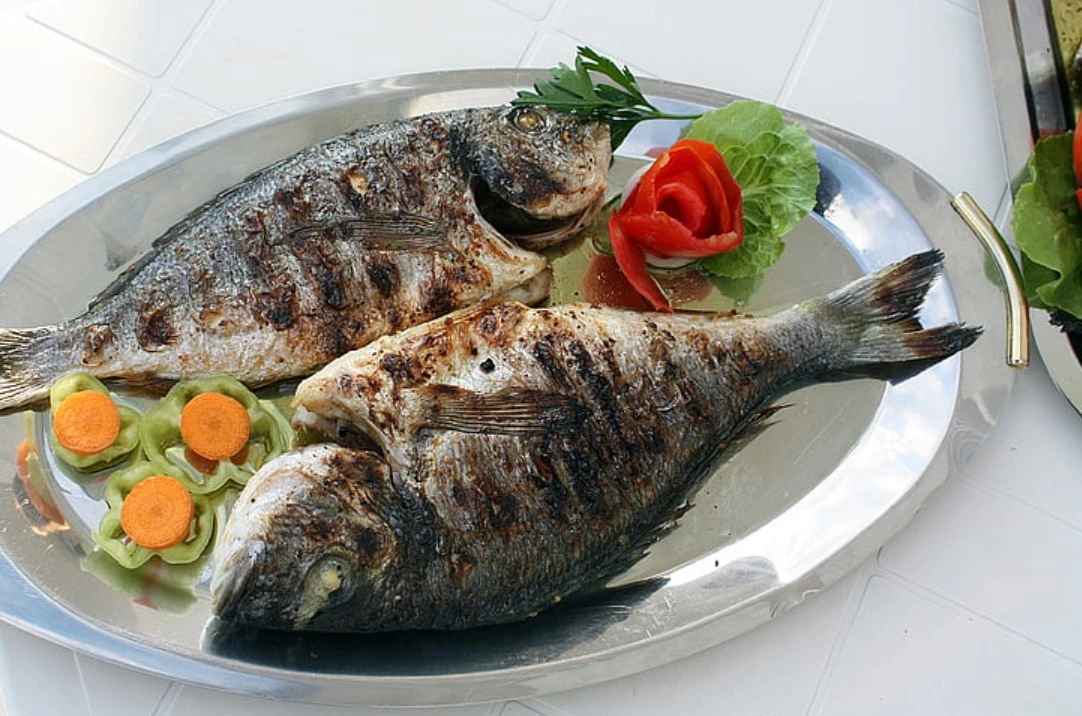
The first step to excellent grilled fish is choosing the right type of fish. Fish with firmer flesh are best suited for grilling, as they hold their shape better and are less likely to fall apart. Among the most popular choices are sea bream, sea bass, trout, salmon, tuna, mackerel, and swordfish. For beginners, sea bream and sea bass are the best options, as they have just the right amount of fat and sufficiently firm flesh to withstand high grilling temperatures.
Freshness is also very important. Fresh fish has clear eyes, shiny skin, and a pleasant sea-like smell. The flesh must be firm and elastic. If the fish has cloudy eyes or an unpleasant odor, it is no longer suitable for a high-quality dish.
Preparing the Fish Before Grilling
Before grilling, the fish must be properly prepared. If cooking a whole fish, it should first be cleaned by removing the innards, scales, and gills. It is then rinsed under cold water and thoroughly dried with paper towels. Drying is one of the most important steps, as excess moisture causes sticking and prevents a nicely seared crust.
Once dry, the fish is brushed with olive oil. The oil protects the delicate skin and prevents sticking. Then it is salted and lightly peppered. When it comes to fish, the rule is: less is more. The delicate flavors of fresh fish should not be covered with strong spices. Fresh herbs such as rosemary, thyme, parsley, or dill are enough. Inside the cavity of a whole fish, you can add a slice of lemon, a clove of garlic, or a sprig of rosemary, which will release a pleasant aroma during cooking. Before placing the fish on the grill, let it rest for about twenty minutes at room temperature so it cooks more evenly and stays juicier.
Preparing the Grill
Proper grill preparation is essential when cooking fish. The grill must be well heated, as high temperatures allow quick searing of the skin. This creates a thin crust that prevents sticking and locks in the juices. The ideal grilling temperature is between 200 and 230 degrees Celsius. The surface must be completely clean, as leftover residues from previous grilling almost always cause the fish to stick.
Grilling a whole fish
Whole fish are often the most flavorful, as the skin and bones add extra aroma during cooking. The fish is placed on the hot grill and left undisturbed for the first few minutes. One of the most common mistakes is turning it too early. The skin must first sear properly and release naturally from the grill.
Once the fish easily separates from the surface, it is carefully turned. It is best to use a wide spatula or two spatulas at once. The fish should only be turned once, as too much handling causes it to break apart. Cooking time depends on the size and thickness of the fish. As a general rule, it takes about eight to ten minutes per three centimeters of thickness. Smaller fish usually need about five minutes per side, while larger ones require a bit more time.
Grilling fish fillets
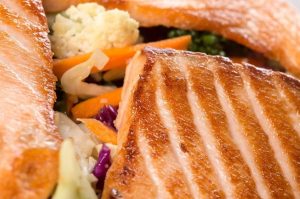
Fish fillets require more caution. If they have skin, they should always be grilled skin-side down first. The skin acts as protection against high heat and helps retain moisture. Salmon, tuna, or sea bass fillets usually require only a few minutes of cooking. Salmon should remain slightly moist in the center, while tuna is best when the center is still slightly pink. Overcooking quickly dries out fillets.
How to know when the fish is cooked
Properly cooked fish has firm yet still juicy flesh. It should no longer be translucent but white, or slightly pink in some fish species. For a whole fish, doneness can be checked by gently cutting with a knife under the head in the thickest part of the neck area. If the flesh there is cooked, the rest of the fish is ready as well. A good sign is also that the flesh easily separates from the bones.
Most common mistakes when grilling fish
Many problems arise from too low grill temperature. If the grill is not hot enough, the skin does not sear quickly and sticks to the grates. Another common mistake is turning the fish too often. Fish is delicate and should be turned only once. It should also not be pressed with a spatula during grilling, as this releases its juices. Many people also overcook fish. Fish cooks quickly and does not need as long as meat. Overcooked fish becomes dry and fibrous. It is also important to dry the fish well before grilling, as moisture prevents a nice crust and increases sticking.
Tricks for perfect grilled fish
Experienced grill masters often use simple tricks. One of the most popular is grilling fish on lemon slices, which prevents sticking and adds aroma. A fish grilling basket is also very useful, as it makes turning easier without damaging the skin. After grilling, it is recommended to let the fish rest for a few minutes so the juices redistribute evenly and the fish stays juicier.
Side dishes for grilled fish
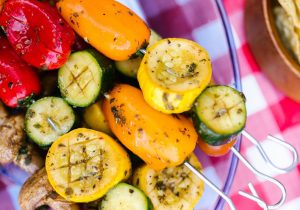
Fish pairs perfectly with light Mediterranean side dishes. Classic options include Swiss chard and potatoes, as well as grilled vegetables such as zucchini, peppers, and eggplants. Fresh salads, homemade bread, and a drizzle of high-quality olive oil also work very well. For extra flavor, a simple garlic and parsley sauce can be prepared.
Why electric grills are an excellent choice for fish
Temperature control is extremely important when grilling fish, which is why electric grills are becoming increasingly popular. They provide even heat distribution, precise temperature control, and easy use. Electric grills are ideal for balconies, terraces, and small gardens, as they produce less smoke and are easier to clean. The stable temperature significantly reduces the risk of sticking, which is a major advantage when preparing fish.