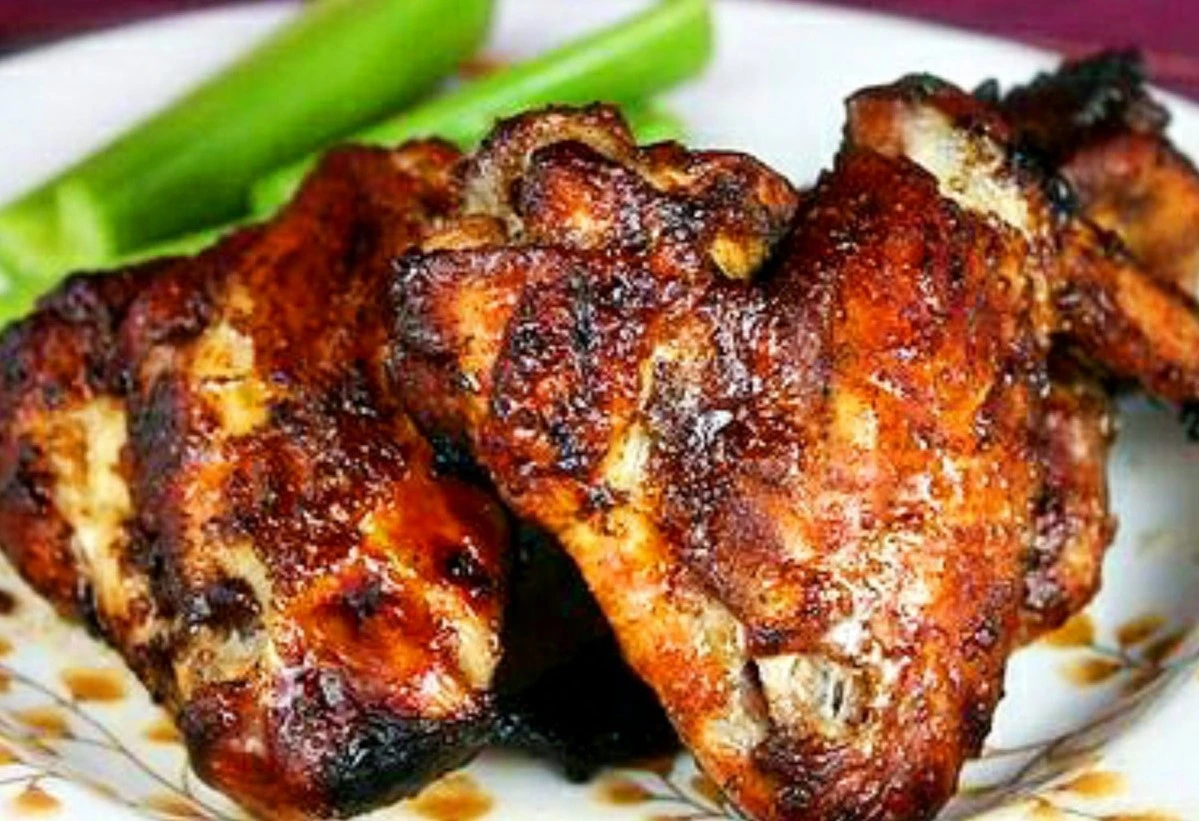
Chicken holds a special place on the grill because it combines quick preparation, a light post-meal feel, and great versatility in seasoning. Its neutral flavor, however, requires a bit more attention even before cooking. Well-seasoned chicken is not the result of chance, but of a thoughtful process that takes into account the type of meat, chosen spices, marinating time, and cooking method. When these elements are balanced, the result is a dish that delights with juiciness, aroma, and a pleasantly browned surface.
Different Chicken Cuts and Their Characteristics
When preparing chicken on the grill, it’s important to know that each cut behaves differently. The breast contains very little fat and cooks quickly, making it more prone to drying out. Thighs, drumsticks, and wings contain more fat, which keeps them juicy even during longer cooking. These cuts tolerate stronger seasoning and longer contact with marinade. Understanding these differences allows you to tailor spices and preparation to each cut for a better outcome.
Preparing the Meat Before Seasoning
Before seasoning, the meat must be properly prepared. Pat the chicken dry with paper towels so the spices adhere better. If the skin is on, it’s a good idea to score it lightly to allow flavors to penetrate. Removing excess fat or leftover feathers is also recommended. This basic step is often overlooked but has a significant impact on final taste and texture.
The Role of Salt in Seasoning Chicken
Salt is the foundation of any good seasoning. It doesn’t just enhance flavor—it also helps regulate juiciness. For chicken, timing is key. Salt added immediately before cooking affects mostly the surface, while salt applied earlier has time to penetrate deeper and enhance the internal flavor. Use a moderate amount, as over-salting can quickly upset the balance.
Marinade for Deeper Flavor
Marinating ensures flavors are distributed evenly throughout the meat. A marinade typically contains fat, acid, and aromatic ingredients. Fat carries flavor and protects against drying, acid tenderizes, and aromatics give the dish character. Chicken doesn’t need long marinating times, as it absorbs flavors quickly. Even half an hour produces noticeable results, while longer times are mainly suitable for larger or fattier pieces.
Choosing and Using Acid
Acid plays an important role in marinades but should be used thoughtfully. Lemon juice, vinegar, or yogurt freshen the flavor and slightly tenderize the fibers. Too much acid or marinating for too long can make the meat lose firmness. Acid should complement the overall mixture, not dominate, to maintain a pleasant texture and balanced flavor.
Spices That Pair Perfectly with Chicken
Chicken offers a wide range of seasoning possibilities. Herbs create a fresh, light impression, while spices add warmth and depth. Garlic and onion add fullness, paprika provides color, and pepper a mild kick. Sugar or honey in small amounts helps with caramelization and creates a nicely browned crust. Ingredients should complement each other rather than compete.
Dry Spice Mixes for Quick Preparation
When there isn’t time to marinate, dry spice blends are a great alternative. They are rubbed directly onto the meat and form an aromatic layer when exposed to heat. The blend should include salt, spices, and a small amount of sugar. This method works especially well for breasts or smaller pieces that go on the grill quickly. Dry seasoning is simple and delivers clear flavor without long preparation.
Marinating Time and Proper Storage
Chicken should be marinated in a closed container or bag to ensure flavors are evenly distributed. Store it in the fridge and remove it in time to reach room temperature before grilling. Cold meat cooks unevenly and loses more juices. A short rest before grilling allows better temperature control and a more even result.
Preparing the Grill and Choosing the Temperature
Even the best seasoning won’t shine without a properly prepared grill. Too high heat causes the outside to brown quickly while the inside remains raw or dries out later. Medium heat allows even cooking and a nice brown color. Turn the meat moderately so the crust develops properly.
The skin plays an important role in grilling. It acts as a protective layer, keeping moisture inside. To make it pleasantly crispy, lightly brush it with oil and season it before cooking. Grill the chicken skin-side down first to allow the fat to melt evenly and form a nicely browned surface.
Common Mistakes in Seasoning and Cooking
Over-marinating, too much acid, and overcooking are common errors. Too high heat or uneven heat distribution is also problematic. Chicken requires attention and moderation. Understanding the basic rules helps avoid dry meat and bland flavors.
After grilling, chicken should rest for a few minutes. During this time, the juices redistribute, making the meat more succulent. Cutting it immediately will cause the liquid to run out and the texture to suffer. This simple step greatly improves the final taste and overall experience.
Grilled Chicken as a Canvas for Creativity
Seasoning chicken for the grill allows plenty of room for personal flair. Small changes in spices or preparation can create a new experience each time. This variety is why chicken remains a popular choice for outdoor grilling. With proper preparation, thoughtful seasoning, and controlled cooking, even a simple piece of meat transforms into a dish that impresses every time.
Enjoy perfectly grilled chicken every day. Discover how Flamula electric grills provide even cooking, juiciness, and an aromatic crust without smoke or open flames. Simple, fast, and delicious—preparing chicken has never been easier. Click now to secure your electric grill!