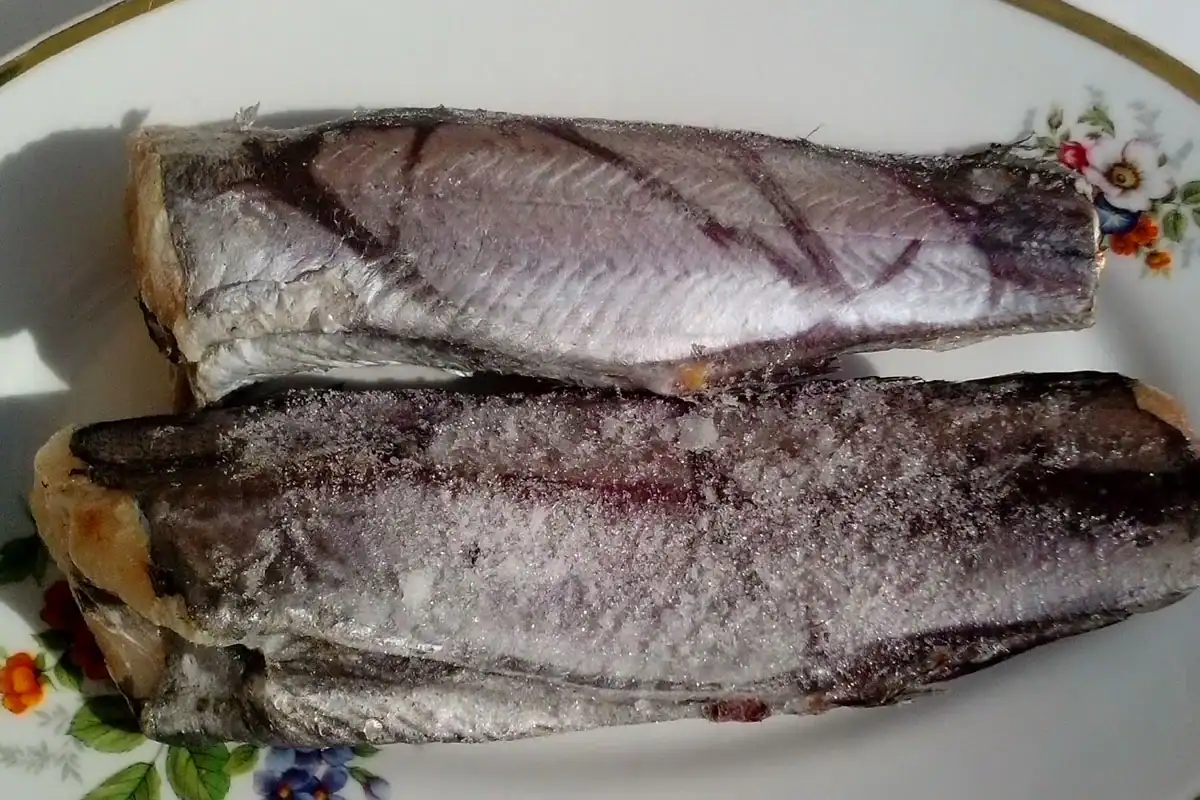
Hake has delicate, tender flesh, so when preparing it on the grill it does not need heavy or strongly flavoured marinades. This is one of the main differences between marinating fish and meat. With hake, the goal is to enhance its natural flavour, add a little freshness and aroma, and at the same time keep the fish as juicy as possible during grilling. Too many spices can quickly overpower its mild taste, while marinating it for too long can change the texture of the flesh. A good marinade for grilled hake is therefore simple. A combination of oil, garlic, herbs and mild spices works well as a base. If you like, you can also add a little paprika, cumin or a ready-made fish seasoning mix. Lemon goes very well with fish, but it should be used moderately when marinating. The acid can alter delicate fish flesh before it is even cooked, so it is often better to add lemon juice just before serving or after the hake has been grilled.
Why hake needs a mild marinade
Hake is not a fatty fish and does not have a particularly strong flavour. Its flesh is light and quite delicate, which means that an overly intense marinade can easily cover up the taste of the fish completely. A lot of chilli, strongly acidic ingredients or large amounts of intense spices are not the best choice if you still want to taste the fish itself. Garlic, parsley, basil, rosemary, thyme and similar herbs are much better suited to it. Good-quality oil also works very well, lightly coating the fish and helping it retain moisture during grilling. Before cooking, you can also season hake with paprika, a pinch of cumin and pepper. If you use a ready-made fish seasoning mix, do not add too much, as these blends often already contain salt.
There is usually no need to marinate fish for several hours. Hake can rest in the prepared marinade for a relatively short time, allowing the ingredients to flavour the surface. For delicate fillets, around 30 minutes is enough. This gives the fish some flavour without making the flesh too soft.
Basic marinade for grilled hake
For approximately four hake fillets, you will need 50 ml of olive oil, one clove of garlic, half a teaspoon of sweet paprika, half a tablespoon of cumin, one tablespoon of fish seasoning, a little salt, a pinch of pepper and some fresh parsley. You can also add a little basil or another fresh herb if you wish. For a slightly fresher flavour, you can use finely grated lemon zest. Lemon juice, however, is better added after grilling, as the acid can change the texture of the fish when it remains in contact with the flesh for too long. If you still want to include it in the marinade, use only a small amount and do not leave the hake in it for too long.
Finely chop or crush the garlic and mix it with the olive oil, paprika, cumin, fish seasoning, pepper and fresh herbs. Check the hake fillets for bones and remove any you find, then coat the fillets with the marinade on both sides. If you are using frozen hake, thaw it slowly in the refrigerator before preparing it. Once thawed, drain it well and pat it dry thoroughly before applying the marinade. When preparing hake on the grill, a dry surface should not be overlooked. Excess water can prevent the fish from browning properly and increase the chance of the fillet sticking to the grill or cooking surface. For this reason, pat the fish thoroughly with paper towels before marinating it. This helps the marinade adhere better to the surface and allows the fillet to cook more evenly on the hot grill.
How long should hake be marinated?
With hake marinade, longer does not necessarily mean better. Because the flesh is delicate, there is no reason to leave the fish in the marinade overnight. A short resting time is enough for a classic marinade based on oil, garlic and herbs. Around 20 to 30 minutes is usually sufficient for the oil and spices to do their job. While the fish is marinating, you can prepare the grill, side dish or salad. If you are using thicker pieces of hake, you can extend the marinating time slightly. However, do not leave the fish in a marinade containing lemon juice or vinegar for too long. Acidity affects the structure of fish flesh. Lemon and vinegar are excellent additions to cooked fish, but prolonged marinating can give the flesh a different and less pleasant texture. With hake, the simplest approach is often the best: use a marinade with little or no acid before grilling and add the lemon once the fish is on the plate.
Herbs and spices that go well with hake
Parsley is one of the simplest and most reliable choices. It adds freshness to hake without overpowering it. It also pairs very well with garlic and olive oil. This combination can even be used as the basis for a simple sauce to serve after grilling. If you want a slightly different flavour, try basil. It works well in a marinade containing oil and a little lemon zest. Rosemary and thyme should be used more sparingly because their aromas are stronger. When preparing a whole fish, you can also place the herbs inside the cavity. With fillets, it is better to finely chop the herbs and use a smaller amount. For a slightly spicier version, add sweet paprika and a pinch of cumin. This combination is also used in one recipe for marinated white fish fillets, where hake or other white fish is combined with oil, garlic, paprika, cumin, fish seasoning, salt, pepper and lemon.
How to prepare the grill for marinated hake
A good marinade alone does not guarantee a successful result. When grilling hake, preparing the grill is almost equally important. Because the flesh is delicate, hake can easily stick to the grill and begin to fall apart, especially when using thin fillets. The grill should be clean and thoroughly heated. Before placing the fish on it, remove any residue from previous grilling. You can then carefully brush the grill with a little oil. The fillet can also be lightly coated with oil, but do not use too much. For fish, the grill should be heated to around 200–230°C, while the cooking surface should be clean and lightly oiled. The fish should not be moved around constantly during grilling. Once the underside is sufficiently cooked, it will begin to release more easily from the surface. If you try to turn it too soon, the delicate flesh can tear. Hake fillets without skin require even more care. It is also helpful to choose fillets that are not too thin. A thicker piece is better able to retain its shape and moisture.
Grilling hake
Remove the marinated fillets from the dish and allow any excess marinade to drip off. Place them on the grill only once it is properly hot. Then leave them alone. Constantly moving and turning fish is one of the most common mistakes when grilling. The cooking time mainly depends on the thickness of the fillet. Fish cooks relatively quickly, so it is best to keep an eye on it during grilling. As a general guideline from the supplied material, fish cooked at medium heat needs around 8 to 10 minutes for every 3 centimetres of thickness. Thinner fillets will naturally be ready sooner. Hake is cooked when the flesh becomes opaque and starts to separate easily. Do not leave it on the grill for too long. With fish, the transition from juicy to dry can happen very quickly. Once the hake is cooked, remove it from the grill and let it rest for one or two minutes.
Add the lemon at the right time
Once you have transferred the hake to a plate, you can drizzle it with a few drops of lemon juice. Add a little olive oil and, if desired, some fresh parsley. This gives the fish a fresh flavour without risking changes to the texture caused by prolonged exposure to lemon juice during marinating.
Grilled vegetables, potatoes, Swiss chard, corn, cherry tomatoes or a simple seasonal salad all make good accompaniments. Hake can also be served with carrots, aubergine, sweet potato, Brussels sprouts, corn, cherry tomatoes and a slice of lemon. Season the hake with salt, garlic, parsley and spices of your choice, then cook it on a lightly oiled grill.
The marinade should enhance the flavour of the hake
The best marinade for grilled hake does not necessarily have to contain a large number of ingredients. The delicate fish works very well with oil, garlic, parsley, a little pepper and a few mild spices. You can add basil, thyme, rosemary, paprika or cumin according to your taste. Save the lemon for the end and squeeze it over the hake once it has been grilled. A short marinating time, a thoroughly dried fillet, a clean and hot grill and a little patience when turning the fish can make a big difference. If you do not overcook the hake, the flesh will remain soft and juicy, while the marinade will complement its flavour nicely.
Prepare hake on a Flamula electric grill
You do not need charcoal, smoke or a long wait for the grill to heat up before preparing fish. With an electric grill you can cook hake at home, on the terrace or balcony, while keeping better control of the cooking temperature. This is particularly useful with delicate fish, where excessive heat can quickly result in dry flesh.
If you enjoy preparing fish, vegetables, meat and other grilled dishes throughout the year, take a look at the range of Flamula electric grills. You can use them to prepare marinated hake with a beautifully grilled surface and a juicy interior, without complicated fire-starting or waiting for the right embers. Choose a Flamula electric grill and enjoy your next fish feast at home.