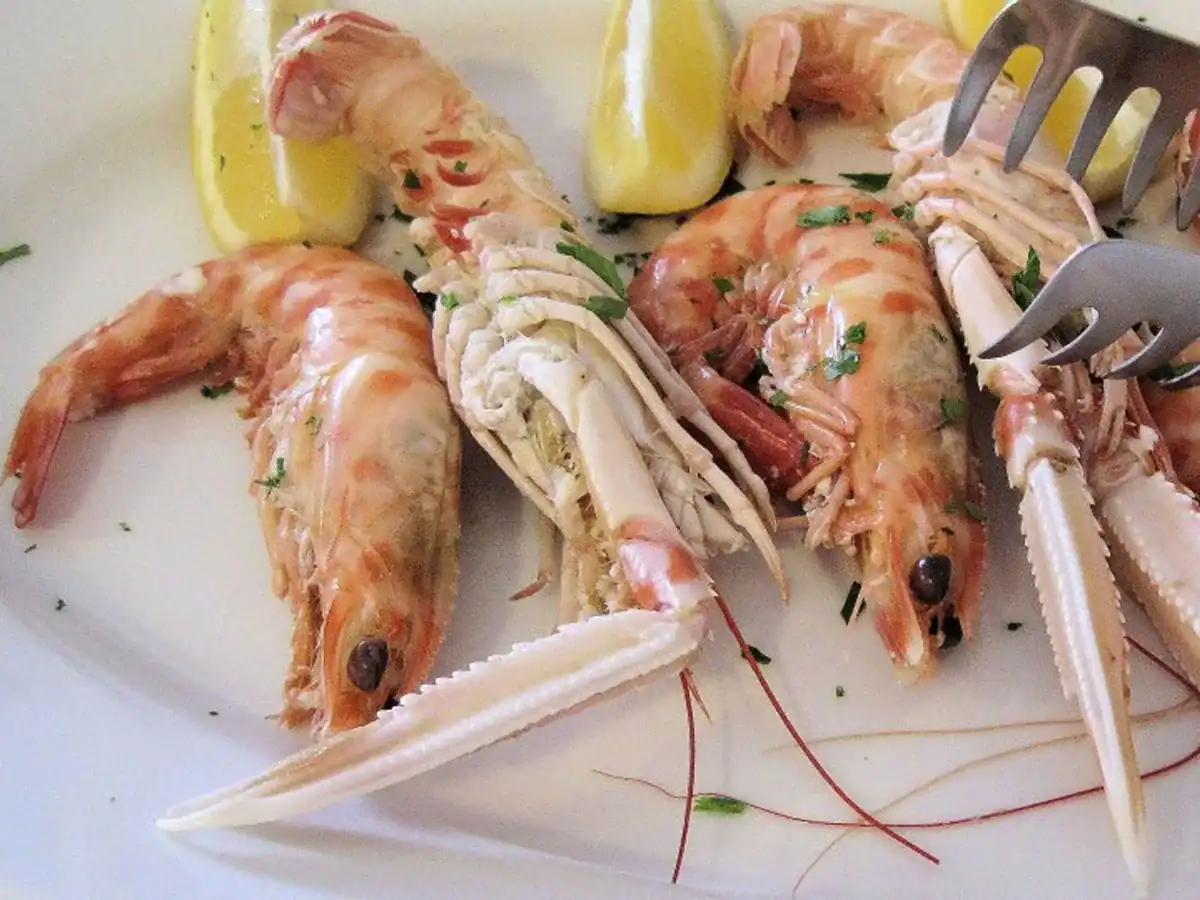
Grilled shrimp are one of those dishes that require far fewer ingredients than you might expect. Good shrimp already have a distinct flavor of the sea, so there is no need to cover them with lots of spices or heavy sauces. The quality of the shrimp and the right moment to remove them from the heat matter much more. The biggest challenge is getting the cooking time right. Shrimp can go from perfectly juicy and tender to tough and rubbery very quickly. With medium-sized shrimp, just a few minutes may be enough, so stay close to the grill while they cook and keep a close eye on them.
Why shrimp with the shell are a great choice
If you want plenty of flavor and the juiciest possible meat, there is no need to peel the shrimp before grilling. The shell protects the meat from direct heat while also helping to retain its juices. This is why whole shrimp are such a popular choice for grilling. Before placing them on the grill, you can brush them with a little olive oil. Some people prefer to use only oil and a little salt, allowing the naturally sweet flavor of the meat to stand out. If you want more aroma, you can add garlic, rosemary, lemon, parsley, chili or a little butter. It is also a good idea to lightly oil the shells because aromatic compounds are released from the shells during grilling and add extra flavor to the meat. The downside, of course, is that you have to peel the shrimp at the table, but for seafood lovers, that is part of the experience.
How to clean shrimp before grilling
Before preparing the shrimp, rinse them and pat them dry. Make a small cut along the back of the tail with a sharp knife and remove the dark vein. With larger shrimp, you can also cut the tail lengthwise, taking care to leave the two halves connected at the bottom. The cut has another advantage. You can add a little garlic, salt, olive oil or marinade into it, allowing the ingredients to come directly into contact with the meat. With shell-on shrimp, marinades have a harder time getting through the shell. If the shrimp have a somewhat stronger smell, this does not necessarily mean that they are spoiled. Fresh shellfish can have a characteristic smell related to their marine environment and diet. If you find it unpleasant, you can soak the shrimp for about ten minutes in cold water with a little baking soda, then rinse them thoroughly and pat them dry.
How to season shrimp on the grill
When it comes to seasoning, less is often more. For a simple version, olive oil, salt, pepper and a few drops of lemon juice are all you need. A combination of olive oil, garlic and fresh parsley also works very well. If you prefer stronger flavors, make a marinade with olive oil, lime juice, garlic, parsley, basil, coriander and a little chili. You can leave the shrimp in the marinade for about an hour, then drain them well before grilling. Another interesting combination is garlic, olive oil, bourbon, maple syrup and chili. This marinade has a more pronounced flavor and is a good choice for anyone looking for something a little different from the classic Mediterranean version.
How to heat the grill properly
Before the shrimp start sizzling on the grill, the cooking grate should be well heated and clean. Leftover food from previous grilling can easily stick to the delicate meat, so clean the grate before cooking and lightly coat it with oil. Use medium to medium-high direct heat for shrimp. At around 175 to 200°C, most shrimp can be grilled very quickly. The exact cooking time depends on their size and how they are prepared. Larger shrimp may take around 3 to 6 minutes in total. Smaller shrimp need even less time. Some people grill them for about two minutes on one side and then another two to three minutes on the other. However, it is better to rely on the appearance of the meat rather than simply watching the clock.
How to tell when shrimp are cooked
Raw shrimp meat is translucent. As it cooks, it becomes white or pearly and firmer, while the shell takes on a characteristic pink or reddish color. The shape of the tail can also be a useful guide. A properly cooked shrimp has a tail that curves roughly into the shape of the letter C. If the tail closes into an almost complete circle, resembling the letter O, it has been on the heat for too long. With larger shrimp, you can also check the meat by making a small cut. If the center is still completely translucent, it needs a little more time. Be quick when checking, though, because shrimp really do cook very quickly.
Shrimp on skewers
Skewers are very practical for peeled shrimp. They allow you to turn several shrimp at once in just a few seconds, rather than having to handle each tail individually. Soak wooden skewers in water for at least one hour before using them. Metal skewers are even more practical.
You can thread the shrimp lengthwise, pass the skewer through each shrimp twice, or use two parallel skewers. The last option is especially useful because it prevents the shrimp from rotating when you turn them. Leave a little space between the shrimp so the heat can reach all sides. If you want a more browned exterior, you can place them closer together and grill them for about one minute longer.
You can also add pieces of firm-fleshed fish, squid, vegetables or small octopuses to the skewers. This creates a colorful seafood skewer that is perfect for a summer lunch or dinner.
Grilled shrimp with garlic and butter
For a simple dressing, mix olive oil, melted butter, chopped garlic, a little rosemary and a pinch of sea salt. Brush the shrimp with the mixture before grilling and lightly brush them again when turning them. Garlic and butter pair beautifully with the smoky flavor of the grill, while the oil helps keep the surface juicy. Just be careful not to pour large amounts of marinade over the shrimp, as it can drip onto the flames and cause strong flare-ups.
What to serve with grilled shrimp
With such a flavorful seafood dish, there is no need to go overboard with the side dishes. Fresh lemon is almost essential, while parsley, arugula, seasonal vegetables and crusty bread are also excellent choices. If you are preparing shrimp for a larger group, you can serve them on a platter with a selection of different sauces. For those who prefer the natural flavor of shrimp, a little olive oil and lemon juice are enough. Grilled shrimp are also excellent as part of a larger seafood feast. You can combine them with fish, squid or scallops. The same basic rule applies to all of them: keep an eye on the cooking time and do not leave them on the heat for too long.
The key to perfect shrimp is a short cooking time
When preparing shrimp on the grill, the biggest secret is not a complicated recipe. Quality shrimp, a well-heated grill, a little fat and the right cooking time make the biggest difference. If you grill them with the shell on, you will get an especially juicy result because the shell protects the delicate meat. For peeled shrimp, skewers are very practical because they allow you to turn them quickly and evenly. Once the tails have formed a C shape, the meat has become pearly white and the shell is pink or red, it is time to remove the shrimp from the grill. Add some lemon and fresh herbs and serve immediately. Freshly grilled shrimp are a perfect example of why they are considered one of the most prized seafood delicacies.
Prepare shrimp on a Flamula electric grill
You do not necessarily need a charcoal grill to prepare delicious grilled shrimp. With an electric grill you can control the temperature more easily, heat the cooking surface quickly and prepare a seafood feast even on a balcony, terrace or another place where a traditional grill is not practical.
If you enjoy preparing fish, seafood, vegetables and meat, Flamula electric grills are a practical choice for quick grilling without unnecessary smoke. Heat the grill, prepare the shrimp, add a little olive oil and seasoning, and grill them until they reach just the right level of doneness. With lemon, fresh parsley and a piece of crusty bread on the table, you need very little else for a delicious seafood lunch or dinner.